
A New Educational ‘game’ to Teach Children About Being #SafeOnline

A New Educational ‘game’ to Teach Children About Being #SafeOnline

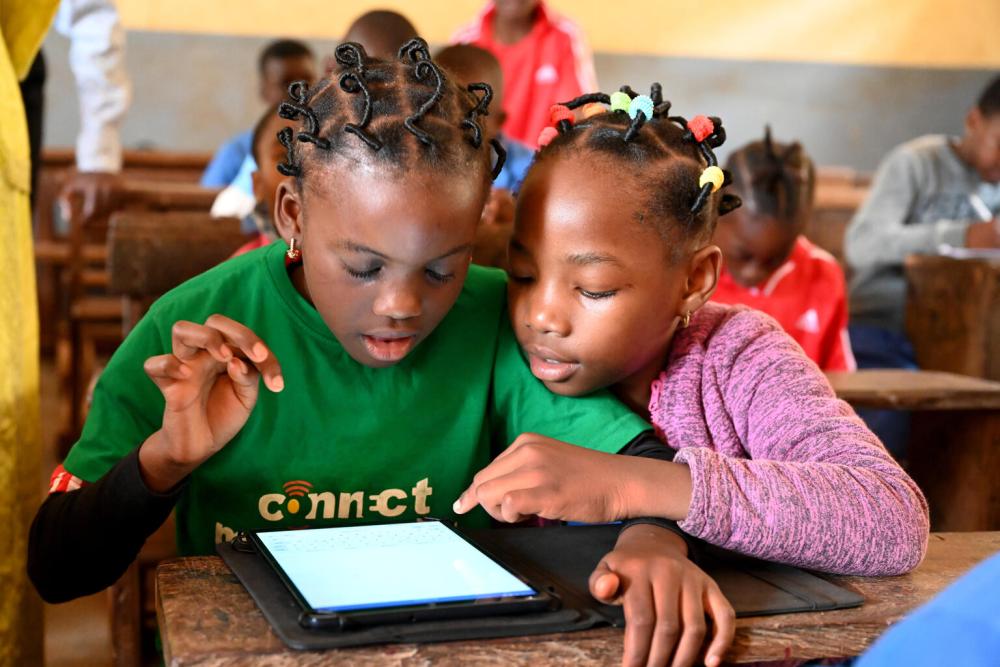
May and Bay are exploring the vast online world – and learning to keep themselves safe from the threats to their safety.  And by helping these two digital characters stay safe in the online world, children can now learn more about and gain the skills needed for navigating the risks in the digital world. 

This is part of a new culturally informed educational ‘game’ that has been developed to help educate children and young people across Thailand and Cambodia on how to better keep themselves safe online. This simulation game lets children explore various online scenarios and is designed to spot the signs of online grooming and recognise the tactics that abusers and traffickers employ.

The project is led by the Centre for Child Protection at the University of Kent, aiming to prevent the online child sexual exploitation and abuse (OCSEA) of children in Thailand and Cambodia, and is launched following a funding grant from the End Violence Partnership’s Safe Online Initiative.

Educating and empowering children

Existing research combined with the local knowledge of partners ECPAT and A21, has identified that OCSEA is an ongoing problem in Thailand and Cambodia. Disrupting Harm – a large-scale research project that aims to better understand how digital technology facilitates the sexual exploitation and abuse of children – has revealed that In the past year alone, nine percent of 12–17-year-old internet users in Thailand were victims of grave instances of online child sexual abuse and exploitation (OCSEA). While recent work to reform legislation and develop policy responses to the crime is commendable, support is needed to improve awareness, knowledge and skills related to OCSEA within the child protection sector in Thailand. And research has found that Cambodia is one of the most significant destinations in South East Asia for travelling child sex offenders. 

Innovative and educative projects such as May and Bay are essential in creating awareness and equipping and empowering children themselves. They encourage children’s critical thinking and decision-making skills in an online environment and, importantly, empower children to understand how their actions can keep them safe.

The impact of Safe Online grantees

University of Kent was awarded a funding grant by End Violence’s Safe Online initiative in 2020. Safe Online grantees from around the world are working to make the Internet safe for children across the world at national, regional and national levels. They are working on creating solutions to tackle harm such as online child sexual abuse and exploitation. Over the past five years, the Safe Online portfolio has grown to reach US$ 68 million in investments in 80 projects working to end and prevent online CSEA in over 75 countries. Part of our work involves stimulating collaboration and knowledge-sharing across the world – and most recently, over 40 grantees convened alongside donors and industry representatives to align around a shared vision of a safe Internet for children everywhere. 

You can read more about Safe Online Initiative, impact of our Safe Online grantees, watch interviews about their work, and learn about the Safe Online Network Forum. 

Action to #EndViolence

Despite the global challenges society faces today, positive change for children is taking place across countries and sectors – driven by governments, individuals and organisations fighting to ensure safe, secure and nurturing childhoods for girls and boys. As part of the Together to #ENDviolence campaign, we are placing a spotlight on these dedicated efforts that are delivering impact.

EXPLORE ACTION TO #ENDViolence FROM AROUND THE WORLD. 

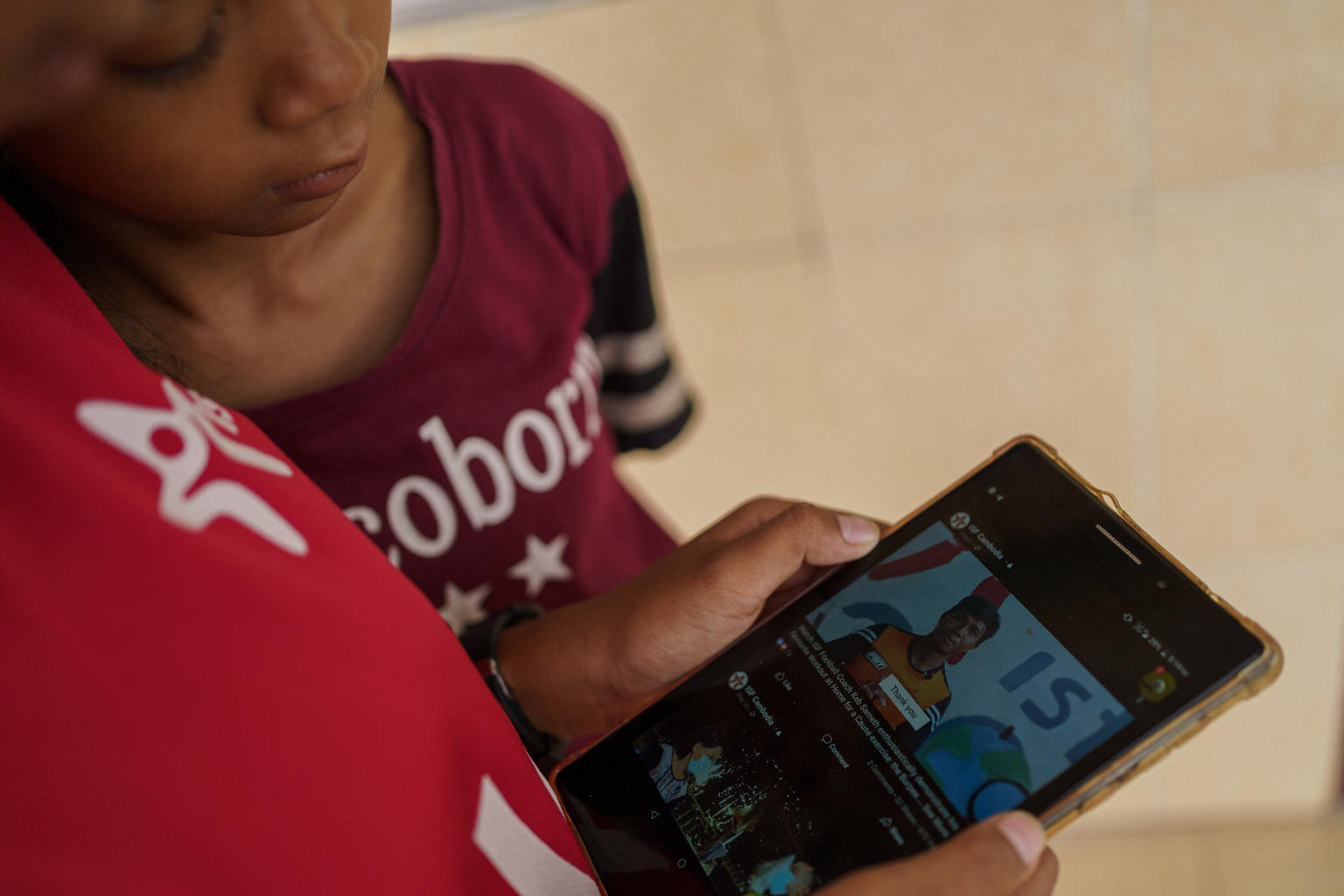
Image: © UNICEF/UNI358629/Cristofoletti

See more stories from our family of grantees

​​A Major Victory for Children in Peru as Country Brings in New Law to Tackle Online CSEA

​​A Major Victory for Children in Peru as Country Brings in New Law to Tackle Online CSEA

In a huge step forward to tackle online child sexual exploitation and abuse (CSEA), Peru has passed a new law which makes it mandatory for Internet service providers to inform their users about parental filters. Such filters help better ensure safety by keeping out child sexual abuse material (CSAM) or other content that could lead to abuse of children. In addition to the new stipulation, it also broadens the definition of violence, including crimes that occur through technological means. The law is a major milestone for the country to better protect children against the many forms of violence online. 

Latest data from the Internet Watch Foundation (IWF) reports a tenfold increase in child sexual abuse material online since the COVID-19 pandemic. Data from the End Violence funded multi-country Disrupting Harm project shows that up to 20% of 12–17-year-olds across 13 countries were subjected to online sexual exploitation and abuse in the past year alone. The law in Peru is the latest in a series of progressive legislations tackling online CSEA by governments across the world which are fast waking up to the danger of this rapidly growing global threat. 

The Bill in Peru was initially proposed in 2020 by Capital Humano y Social (CHS) ALTERNATIVO, a Safe Online grantee. It specified that internet service providers are required to inform their users about the need to install filters, free or paid, to block harmful content on home or mobile devices, conversation channels or any other form of network communication. Non-compliance by the companies operating the internet service constitutes a serious offense, sanctioned by OSIPTEL, a State Supervisory Agency in Telecommunications. Places where people can access public internet including internet booths, restaurants, hotels, airports, government facilities, etc. are required to place parental filters and must guarantee that their services have minimum records so that web pages, conversation channels or any other form of online communication, content and/or pornographic information cannot be accessed.

Safe Online has funded CHS Alternativo to raise awareness on online CSEA and strengthen response mechanisms to prevent it. The project was successful in strengthening capacities for responding to cases of online CSEA in almost 400 service providers including justice operators, teachers and administrative personnel. The organisation also conducted a study in seven regions where the project was being implemented, evaluating the services provided to victims of violence. This research was used to inform advocacy efforts towards developing national protocols and response strategies to address online violence.

“Peru is an important success story and points to the critical work that Safe Online grantees are doing across the world”, said Marija Manojlovic, Director, Safe Online Initiative at the End Violence Partnership. “As Safe Online, we leverage our investments to build strong foundations for a safe internet across the globe and strengthen systems at the national level by focusing on strong legislative and policy frameworks”, she added.

Peru is an important success story and points to the critical work that Safe Online grantees are doing across the world.
- Marija Manojlovic, Director, Safe Online

CHS Alternativo played a key role in advocating for the new law given the increase in internet access by children and adolescents in the country. According to the National Institute of Statistics and Information in Peru, internet access of children between 6 and 11 years in 2020 was 69.8%, an increase of 29% compared to 2019. The organisation also highlighted the lack of awareness on the issue of online CSEA as a key risk to children and young people.

“Thanks to the support of Safe Online, CHS Alternativo implemented a digital patrol experience to identify innovative recruitment strategies for the purpose of sexual exploitation on the Internet. Our study gave priority to digital environments where children and adolescents have the most interaction, that is, video game environments and social networks. In addition, CHS Alternativo conducted various surveys that revealed that around 890,000 children have faced situations of risk and sexual assault. As a result of the findings, Law No. 31664, was unanimously approved in the Congress of the Republic.Without the valuable contribution of Safe Online both studies would not have been possible”, said – Ricardo Valdés, CHS Alternativo Executive Director.

Peru has a number of progressive legislations to tackle online CSEA. This includes Act No. 27337, Code of Children and Adolescents; Act No. 30254, Promotion Law for the safe and responsible use of Information and Communication Technologies by Children and Adolescents and the Multi-Sectoral National Policy for Girls, Boys and Adolescents. The new law will strengthen the existing framework and help to create a safe digital future for children and young people in the country.

Learn more about the work of the Safe Online initiative. 


Image: 

© UNICEF/UN0405470/UNICEF Perú

See more stories from our family of grantees

Hear from our grantee: Age Check Certification Scheme Why Age Assurance is key to empowering children in the digital age

Hosted in collaboration with the British Standards Institution (BSI), this groundbreaking summit united over 700 global stakeholders to affirm a bold declaration: “Age Assurance Can Be Done!” With a focus on safeguarding children online, the summit produced a landmark Communique on Age Assurance, outlining principles like prioritising individual rights and data minimisation. Safe Online grantee, Age Assurance Certification Scheme, explains why age assurance is critical, the role of the first-ever Communique on Age Assurance and the way forward from this landmark Summit.

Read More »

Tech Coalition Safe Online Research Fund announces additional funding of US $500k to select existing grantees for research extension, product development & innovation

Tech Coalition Safe Online Research Fund announces additional funding of US $500k to select existing grantees for research extension, product development & innovation

The Tech Coalition Safe Online Research Fund is granting 4 awards to further accelerate the work of organisations from the first cohort of grantees. The additional funds will be for a duration of 12 months and will support projects to extend research to applications such as piloting solutions, technical collaboration and innovation efforts.   

The boost in funding is a move towards promoting more real-world application of independent research – and strengthening application of research to product and service development within the tech industry. Building on the existing research grants, the Fund aims to enhance the community of practice for online CSEA research to support capacity across the ecosystem in tackling digital harms against children.

Read more on the innovative projects that have been awarded the boost funding below:

Dublin City University: Understanding Online Child Sexual Exploitation and Abuse in the Philippines

The additional funding will help translate findings from a white paper developed in the first phase of the project to practical policy changes and recommendations to improve detection and reporting of online CSEA-related transactions on financial platforms – as well as refining a typology to support enhanced online CSEA-related payments detection. The project will also develop and pilot a public awareness campaign (online and offline) in the Philippines alongside key stakeholders to develop greater community understanding of the scope and harm of online CSEA to children, reduce associated stigma and encourage reporting – thus enabling better detection of the crime as well as deterring potential offenders at the level of online CSEA-affected communities.

Technological University Dublin: N-Light Discovering Child Grooming patterns

In the first phase, the N-Light project gathered and analysed data from the national child agency (ISPCC), national Hotline (Hotline.ie) and Dark web CSAM text posts. CSAM posts were identified and visual explorations were developed to allow investigation. The new funding will support the conversion of the static models and analyses into a deployed software tool, with a wider user base. This will allow agencies to analyse the most recent data to spot grooming techniques and correlations over relevant timelines between child victim reports and groomer activity discussions; extend into more sophisticated analyses including the ability to profile messages coming from child victims; deploy the tools to their partners and beyond; and adapt the tool such that other hotline/ child agency partners can take use the tool to analyse their own data.

University of Kent: Understanding and improving help seeking by people at risk of online child sexual exploitation and abuse

The findings from the first phase of the project demonstrate ways to further optimise existing ‘get help’ messaging to promote not only deterrence but importantly, help seeking. Furthermore, findings show alternative messages as well as reframed industry-typical messages that are perceived as more effective promoters of help seeking. These are findings from tightly controlled studies. To transform industry practice, these findings need to be implemented “in the wild” of the internet ecosystem. Through partnering with industry collaborators, real-world links can be established between message content and click-throughs to helplines and other prevention resources. The new funding will allow us greater collaboration with tech organisations to pilot alternative warning messages and to track their impact and through this to translate our existing work into industry-wide solutions promoting greater engagement with help resources. 

University of Middlesex: Invisible Risks

This funding would be used to further develop and expand the intervention prototype developed in the initial funding to enhance the wellbeing of content moderators addressing child sexual abuse and exploitation. The current research project helped develop skeleton versions of three online intervention modules: sleep hygiene, managing anxiety and staying positive. However, the evidence has identified a number of other areas that need development including, but not limited to, managing intrusive thoughts, maintaining positive relationships and maintaining a work/life balance. The additional funding will provide the opportunity to enhance and expand these modules even further, resulting in a highly effective online platform that can significantly support content moderators in their self-driven psychological wellbeing. 

Image: © UNICEF:UN0582709

See more stories from our family of grantees

Hear from our grantee: Age Check Certification Scheme Why Age Assurance is key to empowering children in the digital age

Hosted in collaboration with the British Standards Institution (BSI), this groundbreaking summit united over 700 global stakeholders to affirm a bold declaration: “Age Assurance Can Be Done!” With a focus on safeguarding children online, the summit produced a landmark Communique on Age Assurance, outlining principles like prioritising individual rights and data minimisation. Safe Online grantee, Age Assurance Certification Scheme, explains why age assurance is critical, the role of the first-ever Communique on Age Assurance and the way forward from this landmark Summit.

Read More »

71 member states make first of its kind call to action to fight online violence against children

71 Un Member States Make First-of-its-kind Call to Action to Fight Online Violence Against Children

71 Member States of the United Nations have come together to make the very first call to action statement urging increased and fast action to remove known child sexual abuse materials online.

Online child sexual exploitation and abuse is growing significantly around the world and is increasingly involving younger children. In 2022, the US-based National Centre for Missing and Exploited Children (NCMEC) received 32 million reports (up from 29 million from 2021) of suspected child sexual exploitation.  

The first-ever call to action by the Member States directly recognises that governments and the private sector have a responsibility to take action to keep children safe from all forms of sexual exploitation and abuse, and points to the fact that law makers are rightfully concerned and are calling for greater urgency in our efforts to secure a safe digital environment for children. 

"Safe Online welcomes the ‘first of its kind’ call to action by over 70 Member States of the United Nations. The message from world leaders is clear – the digital space has to be rid of child sexual abuse material. We believe that the global call to action will signal the need for urgent concerted and decisive action by Governments and other stakeholders."
- Marija Manojlovic, Director, Safe Online

In the call to action, all the countries acknowledge the grave issue of child sexual exploitation and abuse material and how this puts children at risk of further sexual exploitation and abuse, including the risk of the widespread dissemination of this material. The statement recognises the stigma and long-lasting trauma caused to survivors, including revictimisation every time material is spread online.

It calls for:

    • urgent action by governments, internet service providers and other actors to protect children from online sexual exploitation and abuse
    • facilitation of dialogue between the different entities and sectors required for an effective response
    • the need for common data sources and knowledge of known child sexual abuse materials that makes detecting, reporting and removing materials easier
    • increasing public awareness of the serious nature of child sexual exploitation.

The call to action is informed by expert discussions hosted by the UN Office on Drugs and Crime (UNODC), supported by the UK government. These discussions brought together a wide range of experts and activists, including from child protection charities, the public sector, the private sector and the legal and financial sectors.

This growing global consensus on the issue of taking urgent steps to tackle online harms against children follows on the heels of other positive legislations to keep children safe from online harm. Recent legislative action in countries like the UK, US and Australia are creating a blueprint for online safety for children through new mandatory rules, robust safeguards and a strong enforcement capacity.

In 2021, G7 governments announced a set of ground-breaking commitments to combat online CSEA and highlighted End Violence as key partner to help make the internet safe for children. In a historic move, the UN Convention on the Rights of the Child (UNCRC) adopted General Comment No. 25, marking the first instance of including the digital rights of children in its framework.

Most recently, in the EU, the proposed new legislation presents an exceptional opportunity to set high standards to protect children online through policy action, which is key in ensuring a safe digital environment. This leadership of the EU will have a positive impact in other regions of the world. Safe Online is part of a growing movement of child protection organisations supporting the #ChildSafetyOnlineNow campaign to raise awareness and generate momentum around tackling online CSEA.

The Safe Online initiative has been drawing attention to the need for aligned and decisive action by governments and tech companies in order to drive change urgently needed for children. In fact, our policy call for a safe internet for children outlines three key steps for governments and industries.

Our work at the global, regional and national levels in over 80 countries has brought to light new knowledge and evidence on what works – especially through our Disrupting Harm project and the ground-breaking work that we do with the Tech Coalition Research Fund. Our partnerships with grantees on the ground demonstrate the need for strong systems by focusing on strong regulatory and policy frameworks.

Learn more about the call to action here.

LIST OF SIGNATORY COUNTRIES

Albania, Algeria, Andorra, Armenia, Argentina, Australia, Bosnia and Herzegovina, Brazil, Canada, Chile, Colombia, Costa Rica, Ecuador, Egypt, El Salvador, Ghana, Guatemala, Honduras, Iceland, India, Japan, Kenya, Liechtenstein, Mexico, Moldova, Morocco, New Zealand, Norway, Pakistan, Paraguay, Peru, Philippines, Singapore, South Africa, Sudan, Switzerland, Thailand, Türkiye, Ukraine, United Kingdom, United States of America, Uruguay, Vietnam, Yemen and the European Union and its 27 member states (Austria, Belgium, Bulgaria, Croatia, Republic of Cyprus, Czech Republic, Denmark, Estonia, Finland, France, Germany, Greece, Hungary, Ireland, Italy, Latvia, Lithuania, Luxembourg, Malta, Netherlands, Poland, Portugal, Romania, Slovakia, Slovenia, Spain and Sweden) 

See more of our recent updates

Bridging Perspectives at TrustCon 2024: Our Workshop Experience

TrustCon 2024, one of the leading events in the Trust & Safety community attended by over 1300 participants, provided an amazing platform for engagement and collaboration among professionals from various sectors. Our workshop was a blend of fireside chat, lightning talks, and breakout sessions for Q&A with researchers, ending with an energetic brainstorming session.

Read More »

MSB Medical School Berlin GmbH

Our grantees MSB Medical School Berlin GmbH RAPPID- (Risk Assessment for the Prevention & Promotion of Internet Deterrence) Countries involved:Germany Grant timeline:March 2023 – March 2025 Grantee website:www.medicalschool-berlin.de Funding amount:$199,406 Find other grantees

Read More »

Kenya launches groundbreaking training handbook to combat online child sexual exploitation and abuse

Kenya Launches Groundbreaking Training Handbook to Combat Online Child Sexual Exploitation and Abuse

Kenya's National Council on the Administration of Justice (NCAJ) has launched a training handbook on the investigation and prosecution of online child sexual exploitation and abuse (OCSEA) in Kenya.

The handbook was developed with technical support from UNICEF Kenya, a grantee of the Safe Online Initiative at the End Violence Partnership, and launched by the Hon. Lady Justice Martha K. Koome, Chief Justice and President of the Supreme Court of Kenya & Chairperson, National Council on the Administration of Justice.

Marija Manojlovic, Safe Online Director, spoke at the launch event and highlighted the need for ensuring effective justice for children. “There is an urgent need to streamline the justice process for children. When implemented well, for example via ‘one-stop’ centres, it can provide a child-friendly setting for child victims, and facilitate collaboration and coordination between support services”, she said. 

The handbook is a huge step forward in training officers in the justice system on handling OCSEA cases in the child’s best interests. “The training package is a major step in implementing the Children Act. It will help in enforcing laws such as the Sexual Offences Act, which are designed to protect children online,” said Dominic Stolarow, UNICEF Kenya’s representative at the launch event. 

Safe Online has been supporting key actors in Kenya to ensure:

    • frontline workers have the knowledge and skills to prevent and respond to online CSEA
    • improved laws and standards for quality services, including the Kenya Anti-Human Trafficking and Child Protection Unit that manages cases of online CSEA 
    • community outreach on online safety for children, caregivers and teachers.

Safe Online is proud to be a partner in Kenya’s journey towards a safe digital future for children.


See more of our recent updates

From pledges to protection

In an era where digital technology permeates every aspect of children’s lives, the digital threats impacting their safety have never been greater. The recent Digital Dialogue on Children’s Digital Safety, co-hosted by Safe Online, WHO, and UNICEF, brought together over 250 global stakeholders—governments, survivors and youth leaders, civil society, and experts—to transform commitments into tangible action.

Read More »

Tech Matters

Our grantees Tech Matters The Aselo Platform: Strengthening the Global Child Helpline Movement Project Countries involved:South Africa, Zambia, Chile, India, Jamaica, Thailand, Zimbabwe, United States of America With support from Safe Online’s investements, in 2020 and now in 2022, Tech Matters is continuing to develop its project ‘Aselo: Bringing Modern

Read More »

Project VIC international

Our grantees Project VIC international Katalyst Countries involved:October 2017 – October 2019 Project VIC International will continue developing its KATALYST programme, which aims to boost countries’ technological and investigative capacity to combat online crimes against children. By working with local law enforcement, KATALYST will improve forensic and victim identification capabilities, and facilitate collaboration between

Read More »

Safe online invests $4 million to generate evidence on tackling online child sexual exploitation and abuse

Safe Online Invests $4 Million to Generate Evidence on Tackling Online Child Sexual Exploitation and Abuse

The Safe Online portfolio, which invests in cutting edge solutions and knowledge for the online safety of children, has grown manifold over the last six years and has so far reached $76 million in investments focusing on 95 projects with impact in over 80 countries globally. The current targeted funding round builds on learnings generated during previous rounds and offers a unique opportunity to use results reported by grantees to understand the impact of programmes and tools we are funding, as well as identify lessons from the ground on how the change happens. 


From solutions for the tech industry and policies for governments to strengthen online safety to resources and digital platforms that help children stay safe online, this funding round covers a range of diverse and critical projects.  


It will enhance the knowledge and evidence base to support the scale-up of tested approaches and solutions and also provide crucial insights to stakeholders in the larger online CSEA ecosystem.

Grantee projects have been selected from existing and previously funded Safe Online projects based on their potential for impact and scale. The additional $1.5M in the next quarter will be invested to evaluate these project interventions with a focus on relevance, effectiveness, scalability and sustainability. Safe Online was supported by the Evaluation Advisory Group in the robust selection process of the projects, who will also be guiding the evaluation design process and reviewing the deliverables throughout the life cycle of the projects. 

"As the only global fund dedicated to tackling online CSEA, Safe Online is a leading contributor of evidence on what works and what doesn't to address digital harms to children. Our selected cohort of grantees and interventions will help us go one step further in that regard and demonstrate what sustainable, scalable and impactful solutions look like in this field."
- Marija Manojlovic, Director, Safe Online
Meet the Grantees

5Rights Foundation 
5Right Foundation’s Child Online Safety Toolkit project aims to create a safer digital environment for children. By providing resources and training based on the toolkit, it seeks to empower countries and organisations to better protect young internet users. It intends to establish an internationally recognised framework for child online safety, fostering a unified and effective approach across different countries and jurisdictions. The toolkit serves as a resource for both civil societies and regulatory bodies worldwide, contributing to policy development and implementation, and the regulation of online child safety. 


Council of Europe
EndOCSEA@Europe Plus will build on the results of the previous project phase to strengthen actions to prevent and combat online child sexual exploitation and abuse (OCSEA) across the Council of Europe member states, with particular focus on Georgia, Montenegro and the Republic of Moldova. 


DeafKidz International
DeafKidz Defenders is an interactive digital platform designed to educate deaf children on how to stay safe online. This project will empower deaf children in Pakistan, South Africa and Zambia, and increase teachers’ and parents’ knowledge of safeguarding to better protect deaf children from abuse.


UNICEF EAPRO
UNICEF EAPRO’s project focuses on continuing momentum for work by being done by UNICEF East Asia and the ASEAN Pacific Regional Office for child online protection. It supports activities like tech industry working groups and a regional forum which will be held in Bangkok in November 2023 to support collaborative efforts that make children’s digital lives safer. Other activities include disseminating and applying detailed technical guidance for legislative reform and support to survivors of online child abuse.


UNICEF Ghana
UNICEF Ghana will implement the new project “Protecting children from online sexual exploitation in Ghana: Scale-up of interventions with the biggest potential for impact and evidence generation”. At least 10,000 children are expected to benefit from individual case management, national multi-sectoral and private sector engagement will be enhanced and the capacity of law enforcement, judiciary and prosecutors for effective investigations and successful prosecution of online CSEA will be strengthened. The project aims to scale interventions and generate evidence on the implementation of the Cyber Security Act and the National Child Online Protection Framework, criminal justice and victim support and empowerment, in collaboration with the Cyber Security Authority, the Ghana Police Service, the Ministry of Gender, Children and Social Protection and other partners. 


UNICEF Jordan
This programme supports UNICEF’s work with the Government of Jordan to prevent and respond to online child sexual exploitation and abuse. This includes programmes and policies that strengthen the capacity of the national protection system and raise awareness on keeping children safe online.


Tech Matters
Aselo, a contact center platform built by Tech Matters, is live in ten countries. One of the primary goals of Aselo is to increase the capacity of child helplines to meet the needs of much greater numbers of children and young people. The existing technology supported by Safe Online helps to identify repeat callers and texters in most communication channels, so that helpline counsellors can review past contact (and case) records. The new funding will enable Tech Matters to make a minimum set of enhancements to Aselo to significantly expand the capabilities of the helplines to address the issue of repeat callers and allow the helplines to handle a greater volume of actionable calls/texts, maximizing their impact and support for those in need.


Thorn
Support from Safe Online has enabled Thorn to accelerate the development of our ‘classifiers’ that use the latest artificial intelligence to identify child sexual abuse material (CSAM) at scale, helping to identify victims faster and stop the viral spread of CSAM. This new funding aims to enhance and scale the CSAM Classifier by 1) deploying the existing CSAM Classifier to leading forensic and victim identification technology platforms that will enable adoption by law enforcement and hotline analysts, and 2) identifying a scalable, consistent feedback mechanism for the CSAM Classifier.

See more of our recent updates

Justice and Care

Our grantees Justice and Care Understanding Traffickers and Pathways to Offending: Analysis and Recommendations to Better Detect, Deter, and Prevent Online Sexual Exploitation of Children in the Philippines Countries involved:United Kingdom, Philippines Justice and Care is a United Kingdom-based non-governmental organisation that works with law enforcement officers to rescue victims

Read More »

Policy Proposal 3

Woman writing in notebook

Policy Proposal 3

As part of Together to #ENDviolence, experts from across the End Violence community came together to prepare a prioritized set of policy proposals to end violence against children. The result is six game-changing policy proposals, backed by evidence and research on what works to protect children.

The third policy proposal calls for making the internet safe for children. To do so, governments and private sector companies should:

    • Adopt and implement comprehensive child online safety policies, based on children’s rights to access the digital world in ways that are safe and secure in line with the UNCRC General Comment (No25), on children’s rights in relation to the digital environment.
    • Increase investments to scale up solutions that keep children safe, particularly those that tackle grooming and distribution of child sexual abuse material (CSAM) and sexual abuse.
    • Commit to preventing, detecting and stopping all activities that may harm children online, including grooming and distribution of CSAM building on frameworks such as the WeProtect Global Alliance Model National Response, and the six actions outlined by the Broadband Commission report on Online Child Safety.

Read more about this policy proposal in the following key messaging documents below, which are available in English, French and Spanish.

Images: © Safe Online/Photographer: Rafael Duarte

See more stories from our blog

Call to Action: A digital world safe for every child

Safe Online joins survivors, allies and global child protection organisations to call upon all States, the tech industry and other relevant stakeholders to prevent and end the sexual exploitation and abuse of children online and create a safer digital future for every child.

Read More »

Children Online Protection Lab – Request for EoI

The objective of this Request for Expressions of Interest (EOI) is to develop a better understanding of the Children Online Protection Laboratory (COPL) community’s priorities, identify ideas and resources and co-construct next steps of the experimentation process.

Read More »

This safer internet day, explore solutions for children, by children

This safer internet day, explore solutions for children, by children

As part of Together to #ENDviolence, experts from across the End Violence community came together to prepare a prioritized set of policy proposals to end violence against children. The result is six game-changing policy proposals, backed by evidence and research on what works to protect children.

With the host of opportunities that the internet brings to children, it also presents new threats to safety. Online child sexual exploitation and abuse (CSEA) is the fastest-growing form of violence against children. In 2022, the Internet Watch Foundation recorded 63,050 reports related to imagery which had been created of children aged 7-10 – a 1,058 per cent increase since 2019. As the digital landscape grows increasingly complex, we need policies and solutions that enable children to explore opportunities while keeping them safe in the online world.

Through the Safe Online Initiative, the End Violence Partnership is working with and through partners to make the internet safe for children and is actively working to fill gaps in resources, data and evidence, programs and technology solutions. This Safer Internet Day, End Violence is bringing the perspectives and solutions of children to the front – amplifying their calls to action for government and the tech industry and spotlighting the innovative efforts set in place to address online harm.

How children want to be #SafeOnline

On Safer Internet Day, Gitanjali Rao, Innovator and the 2020 Time Kid of the Year, will takeover End Violence’s social media. The young End Violence Advocate has designed and created an app to keep kids safe from cyber-bullying and will share solutions and calls to action, for and by teenagers and children. 

Safe Online also spoke to four children from around the world, Aisha (15) from Mauritius, Busisa (17) from South Africa, Frida (16), from Panama, and Lucia (18) from Ecuador, who are interning with Safe Online Partner Arigatou International. We asked each of them about their online experience, what they think a safer internet looks like and how their vision can be supported. 

These children shared innovative and exciting solutions from having ways to block inappropriate content to awareness and education programmes, cyber safety tips and stronger internet safety rules. They stressed that the government, tech industry and other stakeholders must make sure that young voices are included in policy debates, and shed light on how children’s vision for a safer internet can be better supported.

Read the full interview here. 

Solutions – investing in data and innovation for a safer internet

End Violence is working to provide actionable data to tackle online violence through significant investments and global advocacy. End Violence is the world’s largest non-governmental funder dedicated to ending online child sexual exploitation and abuse. In the last six years, we have invested nearly US $71 million in over 89 projects with impact in over 75 countries across the globe. 

End Violence’s Safe Online initiative is leading pioneering work on evidence generation. The large-scale, multi-country Disrupting Harm (DH) project, which aims to understand the scope and nature of online child sexual exploitation and abuse and how existing national child protection systems are responding, reached out to over 13,000 children across 13 countries to understand their experiences on online CSEA.  The partnership with Tech Coalition is also investing in knowledge to help design products and services that keep children safe online.

And through grants around the world, Safe Online is funding innovative technology solutions to fight online child sexual exploitation, such as: 

    •  A chatbot in India, designed in consultation with young people themselves, to understand their needs and educate them on online CSEA 
    • An Educational digital ‘game’ that has been developed to empower children and young people across Thailand and Cambodia on how to better keep themselves safe online.
    • The new Deafkidz Defenders programme launched in Pakistan and South Africa, designed to teach deaf and hard-of-hearing children how to better recognise abuse, say no and seek help. It is a package of child-friendly online animations on online safety developed with input from various experts including child protection officers, deaf teachers and online digital specialists.

New strategies and legislation are also coming up to better protect children.

In a crucial development for prioritising children’s safety on the global agenda, G7 Leaders have collectively committed to stepping up efforts to prevent and combat child sexual exploitation and abuse, with specific commitments around online safety of children. This marks important progress in taking forward the implementation of the G7 Action Plan to combat Child Sexual Exploitation and Abuse announced in September 2021, including through support for the End Violence Partnership.

The new proposed EU legislation on preventing online violence against children is set to make detection, reporting and removal of child sexual abuse material mandatory for all internet service providers and platforms. The legislation presents an exceptional opportunity for the EU to set high standards to protect children online through policy action. 14 organisations, including the End Violence’ Safe Online initiative have launched a global advocacy campaign to support the European Commission’s proposal for its groundbreaking proposed legislation on online CSEA. Read more about the #ChildSafetyOnlineNow campaign.

Safe Online Initiative also initiated a critical conversation on the need for robust, and comprehensive data to tackle online CSEA. Organised in November 2022, in partnership with the European Parliament and the WeProtect Global Alliance, the Safe Digital Futures event saw over 100 stakeholders from government, civil society and industry gather to discuss the roadmap for streamlining data to tackle online CSEA. 

In addition, the new European strategy for a better internet for kids (BIK+), adopted in May 2022, aims to ensure that children are protected, respected and empowered online in the new Digital Decade, in line with European Digital Principles. The vision is for age-appropriate digital services, with every child in Europe protected, empowered and respected online,

Learn more about efforts to make the internet safer for children through the work of the Safe Online initiative. 

Image: © UNICEF/UNI355769/Panjwani

See more stories from our blog

Safe Online awards $10 million to 23 new grantees to join the fight against digital harms 

To combat the growing threats in the digital space, Safe Online launched a global call for proposals in 2023. After a rigorous and thorough selection process, 23 grantees have been selected to receive USD 10 million. The new investment grows Safe Online’s investment portfolio to USD 100 million across 106 projects with impact in 100 countries and accelerates Safe Online’s globally important role as a catalyst for new solutions to combat digital harms.

Read More »

End violence hosts its 10th global knowledge exchange webinar

On 17 June, End Violence held its 10th Global Knowledge Exchange Webinar, which gathered 117 individuals from partner and grantee organisations around the world. This webinar, the third event held in 2020, focused on integrated, child-centred frameworks for investigation, rehabilitation and recovery for survivors of online child sexual exploitation and abuse.

Read More »

Learning, Networking And Visioning A Safe Digital Future:

Learning, Networking And Visioning A Safe Digital Future:

Safe Online Network Forum & Weprotect Global Summit

On 30-31 May 2022, End Violence’s Safe Online initiative brought together over 40 grantees and partners from across the world alongside donors, and industry representatives from the Tech Coalition in a unique opportunity aligned around a common vision to end online child sexual exploitation and abuse (CSEA).  

Online CSEA is now the fastest growing form of violence against children. At any given time, 750,000 individuals are looking to connect with children for sexual purposes across the globe. According to the National Centre for Missing and Exploited Children, in 2021 almost 85 million files containing online child sexual abuse material were reported, up by 20 million from the previous year. 

Over two-days of ‘networking and knowledge-sharing’ at the forum, critical discussions on good practices to turn evidence into change, cross-sector collaborations, the role of industry and latest technologies were held to fight this pressing challenge. The community had an opportunity to hear perspectives from organisations doing ground-breaking work from around the world to disrupt tech-related harm to children at national, regional and global levels. See here interviews with select grantees on how their projects are creating a safer digital future for children.

Sessions focused on a range of topics – improving data on online CSEA; promising technology tools to make online platforms safer for children; hearing from grantees on good practices for strengthening capacities and systems at the national levels; celebrating successes and achievements over the last year and translating evidence into advocacy efforts. Day 2 was forward-looking and focused on emerging trends and key priorities in the CSEA ecosystem and exploring more effective collaborative systems between the tech industry and civil society, NGOs and academic institutes.  

The need for collaboration and collective effort

The final part of the two-day meeting was the donor convening organised in partnership with the WeProtect Global Alliance. The session highlighted the path-breaking advances that the community has made over the last 5 years as the Safe Online portfolio has grown and diversified with 68 million US$ in investments with impact in over 75 countries. 

Safe Online is actively investing funds, time and resources into building a diverse community of organisations that can work together at various levels and across sectors. However, a lot remains to be done, especially in terms of fostering more meaningful cooperation and collaboration with donor governments, foundations and the private sector. The donor convening, therefore, focused on understanding the key challenges, strategic efforts and who is best placed to do what, so we can increase effectiveness of our joint efforts and investments.  

“Our hope is that we will come out of this meeting much stronger as a community of change-makers working to make the internet safe for children”.
- Marija Manojlovic, Director, Safe Online

The need for collaboration and collective effort

The Network Forum was held at the margins of ‘Turning the Tide’, the WeProtect Global Summit hosted by WeProtect and the European Commission on 1-2 June in Brussels. The Summit provided an opportunity for Alliance members from industry, governments, civil society and international organisations to come together to share learnings, agree on collaborative solutions and reaffirm commitments to take action. The Safe Online community was active during the various sessions of the Summit sharing insights and perspectives including the latest evidence and learnings on what works, and what doesn’t, to prevent and respond to online CSEA.

Dr. Howard Taylor, Executive Director, End Violence Partnership, speaking at the Summit, highlighted the foundational role of the Model National Response for the End Violence Partnership, and particularly Safe Online, in shaping the investment approach, efforts to build an effective evidence-base on online CSEA and advocacy with key stakeholders.  

In another session, Marija Manojlovic, Safe Online Director, End Violence Partnership, highlighted the need for robust data in order to tackle online CSEA and be more effective in our investments. Safe Online’s Disrupting Harm project was born of this ambition and has been invaluable in ‘putting hard data to the problem’ and catalysing action and funding.

Just two weeks after the Network Forum, the End Violence Partnership hosted the Together to #ENDviolence Leaders’ Event which was one of the most diverse and influential groups that have ever come together solely to focus on ending violence against children. Powerful advocates including Julie Inman Grant, Australian eSafety Commissioner, Her Royal Highness The Countess of Wessex and Ashton Kutcher, Actor, Producer and co-Founder of Thorn, spoke about the need for developing and investing in technological solutions in the ever-evolving digital environment and laid out urgent calls to action. 

These critical engagements, at the Safe Online Network Forum, Leaders Event and WPGA, were a unique opportunity to bring the community together to jointly problem-solve, open the door for new collaborations, and plan for the future. Most importantly, it resulted in a shared understanding of critical needs and helped create a common vision on how to end child sexual exploitation and abuse online. 

Images: © Safe Online/Photographer: Rafael Duarte

See more stories from our blog

University of Kent

Our grantees University of Kent Understanding and Improving Help-seeking by People at Risk of Perpetrating Online Child Sexual Exploitation and Abuse Countries involved:United Kingdom of Great Britain and Northern Ireland The Centre of Research and Education in Forensic Psychology at the University of Kent is a group of leading psychologists working

Read More »

University of Bristol

Our grantees University of Bristol Ai-based Advances for Law Enforcement’s Response to Online Child Sexual Exploitation and Abuse in Southeast Asia Countries involved:Thailand, Cambodia, Philippines, Indonesia, Myanmar, Malaysia, Vietnam, Singapore Researchers at the Universities of Bristol and Lancaster will enhance iCOP, the research team’s artificial intelligence software. iCOP was created to flag new or previously

Read More »

Tech Coalition Safe Online Research Fund – Announcing the 2026 Targeted Call Grantee

For 2026, Safe Online worked with Tech Coalition members to identify three priority areas where online child sexual exploitation and abuse (OCSEA) intersects with emerging risk, informed by what we’re seeing across the ecosystem: AI companionship and intimacy, nihilistic violent extremism and sadistic online exploitation (NVE/SOE), and grooming in online gaming environments. These are areas where the evidence base is thin and the risk of harm is escalating. The result was a narrower call than in past years, asking applicants to go deep on one problem and build industry engagement into independent research itself.

Read More »

End violence hosts its 10th global knowledge exchange webinar

End violence hosts its 10th global knowledge exchange webinar

On 17 June, End Violence held its 10th Global Knowledge Exchange Webinar, which gathered 117 individuals from partner and grantee organisations around the world. This webinar, the third event held in 2020, focused on integrated, child-centred frameworks for investigation, rehabilitation and recovery for survivors of online child sexual exploitation and abuse.

After hosting seven webinars to showcase best practices and lessons learned from different countries and grantees in years prior, in 2020, the webinars have focused on addressing the technical issues and capacity needs of the End Violence grantee community. At this event, four country models were showcased:

    • The Barnahus model, which was originally adopted in the Nordic countries and is now used in multiple countries in Europe, presented by the Children’s Rights Division at the Council of Europe.
    • Capital Humano y Social Alternativo presented the work of the Legal & Psychosocial Care and Guidance Center (CALP in Spanish), and best practices from Peru to avoid revictimisation and ensure inter-agency collaboration for online child sexual exploitation cases.
    • The International Justice Mission (IJM) presented the survivor-centered inter-agency response model to online child sexual exploitation and abuse implemented by the organisation in the Philippines.
    • The Marie Collins Foundation (MCF) shared the United Kingdom’s experience providing services for child victims of online child sexual exploitation while ensuring inter-agency communication and collaboration.

Download the recap for more details on these models.

During the webinar, End Violence also provided updates from both the Partnership and the larger online space, including:

    • The Technology Coalition launched Project Protect, a new initiative to end violence against children online. The project aims to develop the structure, membership models, and staffing needed to drive change and build a resource for the whole technology industry dedicated to preventing and eradicating online child sexual exploitation and abuse. End Violence will be the lead partner for the research arm of the Project Protect, which will focus on funding research to advance understanding of patterns of online child sexual exploitation and abuse.
    • The UN Secretary-General Antonio Guterres issued the Roadmap for Digital Cooperation, which calls upon the global community to address issues such as digital connectivity, digital inclusion, human rights, artificial intelligence, and trust and security, as well as digital cooperation mechanisms and models. For the first time, a document of this kind includes a specific call out to strengthen collaboration and invest more resources to end online child sexual exploitation and abuse.
    • The Safe to Learn initiative released Reopening Schools Safely: Recommendations for building back better to end violence against children in and through schools, which provides governments with a set of priority actions to consider as part of their reopening plan to ensure safe and inclusive learning environments. Jordan, Jamaica and Lebanon recently signed the Safe to Learn Call to Action, taking the total number to 15 countries.
    • And many more.

Going forward, the latest End Violence funding round – which is focusing on leveraging technologies to tackle online child sexual exploitation and abuse – is progressing well, and a new cohort of grantees will join the End Violence community soon. A public announcement will be made in the next several weeks.

Images: © Safe Online/Photographer: Rafael Duarte

See more stories from our blog

University of Bristol

Our grantees University of Bristol Ai-based Advances for Law Enforcement’s Response to Online Child Sexual Exploitation and Abuse in Southeast Asia Countries involved:Thailand, Cambodia, Philippines, Indonesia, Myanmar, Malaysia, Vietnam, Singapore Researchers at the Universities of Bristol and Lancaster will enhance iCOP, the research team’s artificial intelligence software. iCOP was created to flag new or previously

Read More »

ChildSafeNet

Our grantees ChildSafeNet Enhancing Parental Roles in Protecting Children from Online Sexual Exploitation and Abuse Countries involved:Nepal Online child sexual abuse and exploitation can affect almost all households globally – and parents and caregivers, who can be influential in most, if not all, settings of children’s lives, play an important

Read More »

International Centre for Missing and Exploited Children & Child Helpline International

Our grantees International Centre for Missing and Exploited Children & Child Helpline International Implementing the Model National Response Collaborative Approach to Combat Child Sexual Exploitation and Abuse in Five Countries Countries involved:Jordan, Kenya, Peru, Tanzania, Philippines In addition, the project is creating eLearning modules, which will ensure continuous learning for

Read More »
Stay in the loop.

Our purpose in detail

We are here to ensure every child and young person grows in to the digital world feeling safe, and is protected from harm.

We support, champion, and invest in innovative partners from the public, private, and third sectors working towards the same objective.

We believe in equipping guardians and young people with the skills to understand and see danger themselves once accessing digital experiences without supervision.

We'd love to have a chat

We're thrilled you're interested in donating to Safe Online - pop in the details below and we will get back to you to set up a discussion.