
Press Release
Survivors of childhood sexual violence seek urgent action to 'redesign' the internet to protect children
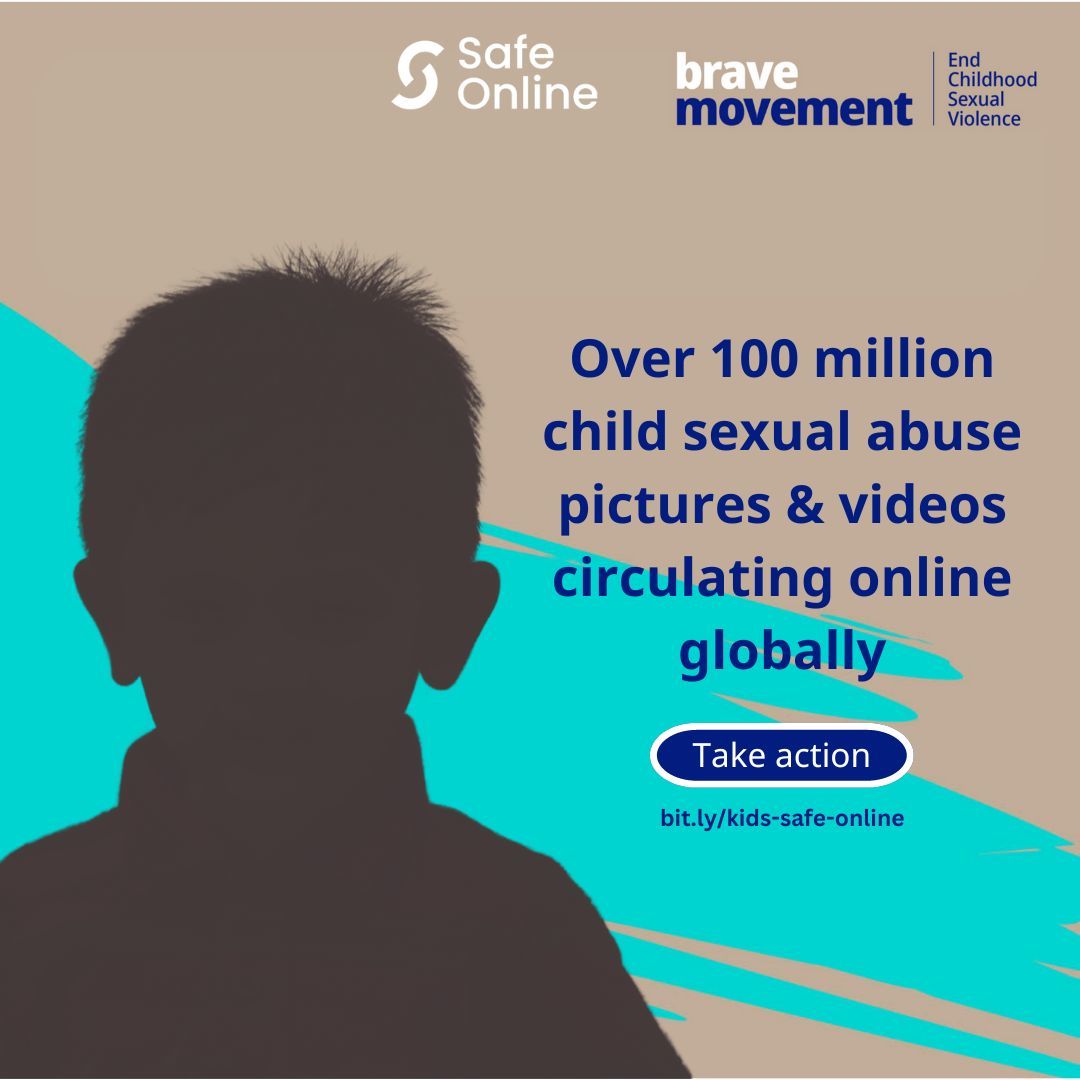
Survivors join bereaved parents and high-level political figures, to put pressure on political leaders, funders and tech companies to end childhood sexual abuse online.
The move comes 100 days before the historic inaugural Global Ministerial on Ending Violence Against Children - the first time that global leaders will be asked to pledge action to end the scourge of childhood sexual violence.
July 17, 2024 [LONDON]: Today, survivors of childhood sexual violence will address the escalating threat to children’s lives posed by online abuse, and call for action to ‘redesign’ the internet and protect children ahead of the first ever global Ministerial on the issue in November 2024. This is a pivotal moment to redefine the digital world for children, ensuring that technology is used for their benefit and never for their harm.
See more of our recent updates
UNICEF Dominican Republic & Plan International Dominican Republic
Our grantees UNICEF Dominican Republic & Plan International Dominican Republic Protecting Every Child Against Sexual Exploitation and Abuse Countries involved:October 2017 – October 2019 In the Dominican Republic, UNICEF Dominican Republic and Plan International Dominican Republic have teamed up to establish and implement the country’s national response board, which is charged with coordinating initaitives that prevent
Swansea University 2
Our grantees Swansea University DRAGON (Developing Resistance Against Grooming Online): Stories Strengthened Safeguards Countries involved:United Kingdom of Great Britain and Northern Ireland DRAGONS+ builds on Swansea University’s expertise in anti-grooming technology to pioneer research at the intersection of offender and child interaction. This research considers development of perceived-first-person CSAM and
Population Foundation of India
Our grantees Population Foundation of India SNEHAI: a Companion to Empower and Protect Countries involved:India Population Foundation of India will sustain SnehAI: A Companion to Empower and Protect to equip adolescents with tools, information and resources to identify and report online CSEA in India. This project, which functions as an artificially intelligent