

Call to Action
A digital world safe for every child!
Sexual violence against children and adolescents is a pressing global issue. The consequences of child sexual exploitation and abuse are profound, leading to serious implications for children’s health, societal participation and economic prospects. The digital world has amplified children’s exposure to sexual exploitation
and abuse, exposing children to unprecedented risks.
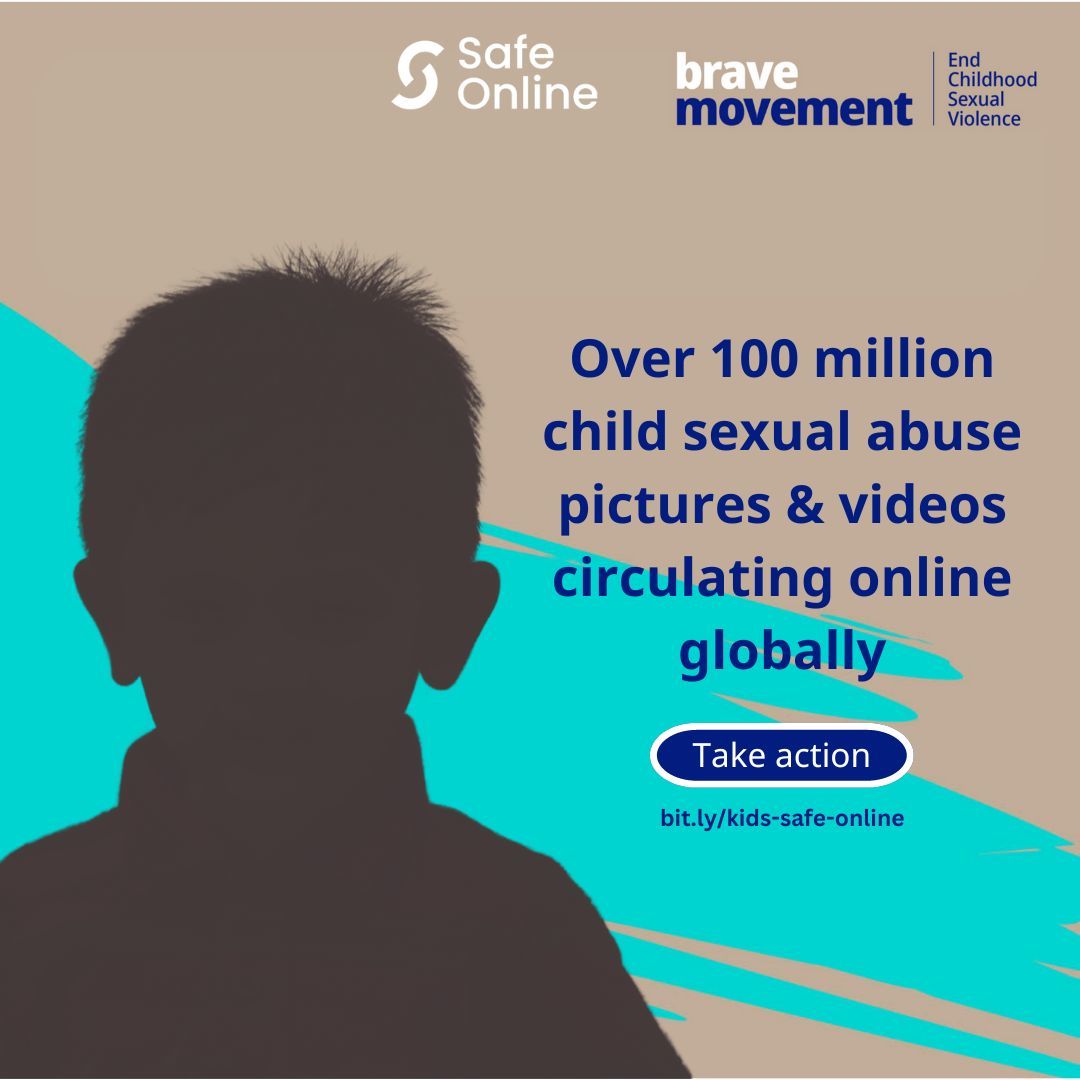
As per the latest Childlight data, one case of online child abuse is reported every second. The Internet Watch Foundation noted 2023 as a ‘record year’ for child sexual abuse with an 8 per cent increase in the number of child sexual abuse imagery found online from the previous year. New and emerging technologies like Generative Artificial Intelligence (AI) and Extended Reality (ER) are turbocharging the rate of abuse, generating child sexual abuse material at a scale and speed never seen before.
Safe Online has joined hands with survivors and global child protection organisations to call upon key actors to prevent and end the sexual exploitation and abuse of children online and create a safer digital future for every child.
See more of our recent updates
UNICEF Ghana
Our grantees UNICEF Ghana Protecting children from online CSEA in Ghana Countries involved:May 2023 – May 2025 UNICEF Ghana is using support from the Fund to develop a National Plan of Action to tackle online child sexual exploitation and abuse. The agency is also working closely with the National Cybersecurity Crime
University of Bristol
Our grantees University of Bristol Ai-based Advances for Law Enforcement’s Response to Online Child Sexual Exploitation and Abuse in Southeast Asia Countries involved:Thailand, Cambodia, Philippines, Indonesia, Myanmar, Malaysia, Vietnam, Singapore Researchers at the Universities of Bristol and Lancaster will enhance iCOP, the research team’s artificial intelligence software. iCOP was created to flag new or previously

2024: A Year of Urgency, Vision, and Partnership in Safeguarding Children Online
As 2024 comes to a close, we find ourselves reflecting on a year marked by both immense challenges and significant opportunities in safeguarding children in an increasingly digital world. The rapid evolution of technologies—such as Generative AI and extended reality platforms—has reshaped our digital landscape, offering immense potential but also exacerbating the risks children face online. While these technological advancements promise to change lives for the better, they also outpace our collective ability to protect children from harm, presenting critical questions about how we mobilize the necessary resources to respond.


Research Institute (IPPPRI) formerly known as PIER Anglia Ruskin University


National Center for Missing and Exploited Children