Open Letter to the G20: Protect the Millions of Children Facing Digital Harm Every Day

Make the digital safety and wellbeing of children a global investment priority.

Every day, millions of children experience digital harms that threaten their safety, mental health, and futures. A child can be locked into a high-risk online interaction in less than 45 minutes and coerced in as little as 19 seconds. One in three children have been asked for sexual images by someone they met online. Reports of AI-generated child sexual abuse material have surged by 1,300% in just one year.

These are not isolated incidents; they are evidence of a systemic failure to protect children in a rapidly expanding digital world. What was once unimaginable has become normalised and if we don’t intervene now, it will only get worse. While technology reshapes economies and societies, children’s safety has been left behind. Across every platform – from gaming spaces to social media to AI-powered tools – children face exploitation, manipulation, and violence that no child should ever encounter.

The human and economic cost

The impact of this crisis is both moral and economic. Violence against children is estimated to cost USD $7 trillion annually, which amounts to around 8 percent of global GDP, enough wealth to make it the world’s third-richest nation. In some countries, these costs exceed national health expenditures several times over.

Every second counts: ten new cases of technology-facilitated sexual abuse are reported every second globally  – where digital tools are used to find, harass, control, or exploit victims. Yet, in 13 countries studied as part of Disrupting Harm, only three percent of victims reach out to formal services for help. Behind these numbers are children whose trust, dignity, and safety have been stolen in spaces meant for learning and connection.

The digital transformation has outpaced protection

G20 discussions on digital transformation focus on creating inclusive growth through digital technologies while mitigating risks to mental and physical health. Key areas include ensuring universal connectivity, promoting ethical AI and data governance, and using digital solutions to improve health access and efficiency. This involves addressing the “digital determinants of health,” promoting digital skills, and bridging digital divides to prevent new inequalities from emerging. Governments and industries are investing billions in digital transformation, artificial intelligence, and infrastructure. But while innovation accelerates, the systems meant to safeguard children remain fragmented and underfunded.

There is growing public concern about the digital environment: social media’s link to youth mental health crises, exploitative algorithms, the spread of deepfakes and AI-generated abuse, and unsafe digital toys and chatbots marketed to young users. Parents are sounding the alarm. Survivor advocates are speaking out. Young people themselves are demanding accountability. And some governments around the world are starting to take action. Yet global investment and coordination still lag far behind the scale of risks. Without urgent action, the gap between technological progress and child safety and wellbeing will only widen.
To the Leaders of the G20 Nations, We, the undersigned — representatives of governments, child rights organisations, the private sector, survivor advocates, parents and children — unite in one shared appeal:

Why the G20 must act now

As G20 leaders meet to define the future of the global digital economy, artificial intelligence, and inclusive growth, we ask:

Where is the safety and wellbeing of children in these plans? We urge the G20 to:

  • Recognise child digital safety and wellbeing as a shared global investment priority integral to digital transformation, health, education, and economic agendas.
  • Invest in upstream prevention interventions that are evidence-based, contextually relevant, globally accessible and centered in responsible technology.
  • Collaborate across borders, sectors, and industries to ensure a coordinated international response.
  • Innovate financing models — including public-private partnerships, catalytic and blended finance — to build sustainable protection systems globally.
  • Listen to survivors, parents and youth in all decisions shaping the digital world. Those with lived experience of online CSEA provide valuable insight that can effectively guide solutions.  

The risks children face online do not stop at borders. Our response must be equally borderless, collective, and accountable.


A new coalition for Safe Digital Futures

To help drive this transformation, a new global coalition, Safe Digital Futures – Invest in Children, has been launched by Safe Online, the Brave Movement, ChildFund International, Mtoto News, Plan International, World Vision International, and more expected to join.

The coalition aims to unite governments, philanthropy, the private sector, and civil society behind one goal: unlocking coordinated, sustainable financing to make digital environments safe, inclusive, and empowering for children. Its first milestone will be the G20 Social Summit 2025 in South Africa — bringing together leaders to align resources and build a roadmap toward sustainable funding for children’s digital safety and wellbeing around the world.

A shared responsibility

The choices made today will define the childhoods of an entire generation. Technology will continue to evolve — but whether it empowers or endangers children depends on collective will and investment from the G20. 

To the leaders of the G20: You have the influence, the resources, and the responsibility to make this change. Make the digital safety and wellbeing of children a priority. Act now to ensure that the digital revolution uplifts rather than exploits the youngest members of our societies.

Because no innovation is truly transformative if it leaves children behind.
Because children deserve safe, healthy, and empowering digital futures.

Without investment in this work—across sectors and borders—we risk limiting children’s potential to contribute to society and facing significant social and economic costs as a result.

Let us invest in it, together.

Signed by: Representatives of governments, child rights organisations, the private sector, survivor advocates, parents and children

  • Bob Balfour, Founder/CEO, Bens Place (Survivors West Yorkshire, UK), member of the Brave Movement
  • MacBain Mkandawire, Youth Net and Counselling, YONECO
  • Tabitha Mpamira, Mutera Global Healing
  • Rosalia Rivera, CONSENTparenting™
  • Kohiyama Mié, Bebravefrance and Brave Movement co-founder
  • ElsaMarie DSilva, Red Dot Foundation
  • Sonya Ryan OAM, Carly Ryan Foundation
  • Aanya Ujjval, American Youth Association (AYA)
  • Dr. Rinchen Chophel, South Asia Initiative To End Violence Against Children (SAIEVAC)
  • Eric Favila, Founder and CEO, AMLAKAS Corporation
  • Bree Atkinson, CEO and Founder, Kindred Tech
  • Chris McKenna, President, Better Tech
  • Sebastián Cuattromo, Asociación Civil Adults por los Derechos de la Infancia
  • Robert A Shilling
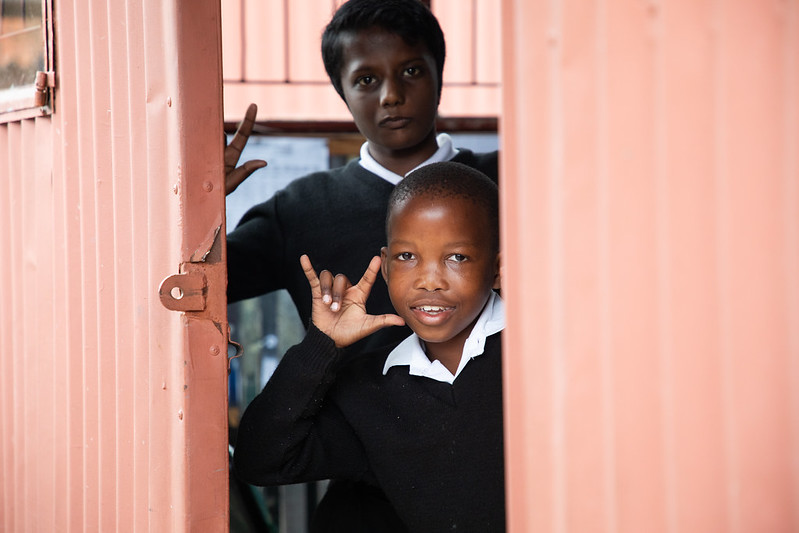
  • Debra Clelland, South Africa, DeafKidz International
  • Glynis Clacherty Ph.D
  • Denise Buchanan, Faith Has Feet
  • Nina Vaaranen-Valkonen, Protect Children, Suojellaan Lapsia ry.
  • Dr Maggie Brennan, Assistant Professor of Psychology, Dublin City University
  • Lydia Jean Akite, ChildFund International Uganda Country Office
  • Sheila Makhado, Brave Movement
  • Costas Yannopoulos, The Smile of the Child, President of the Board of Directors
  • Beatrice Jane, ZanaAfrica
  • Selena Fortich
  • Anxhela Bruci
  • Emily Slifer, Director of Policy, Thorn
  • Poonam Muttreja, Executive Director, Population Foundation of India
  • Elie Florence, Brave Movement & Be Brave France, ChildSafetyOn coalition, Founder Elien Rebirth & Ethelios
  • Iain Corby, Age Verification Providers Association
  • Uzoh Emmanuella, Action Against Child Sexual Abuse Initiative (ACSAI)
  • Daniela Ligiero, Brave Movement Founder, Together for Girls CEO
  • Samantha Lundrigan, Anglia Ruskin University
  • Dushica Naumovska, Kindred Tech
  • Lydia Matioli, Freely In Hope
  • Mahjalin Baldesco
  • Carolina Piñeros, Directora Ejecutiva, Red PaPaz
  • Ngunan Ioron Aloho, Campaigns Manager, Brave Movement
  • Keegan Kagwe
  • Rhiannon-Faye McDonald, Marie Collins Foundation & SAGE, Brave Movement
  • Aagje Ieven, Missing Children Europe
  • Florence Keya, Misha Girls Safe House
  • Canan Güllü, Türkiye Kadın Dernekleri Federasyonu
  • Susan Mckeever
  • Armin Shams
  • Christina Thorpe
  • Helen Mason, Child Helpline International
  • Scharliina Eräpuro, Little Girl Project
  • Joe Laramie, NCJTC
  • Rima Nashasdhibi, Global Hope 365
  • Kamran Mir
  • Thiago Tavares, SaferNet Brazil
  • John Tanagho, IJM Center to End Online Sexual Exploitation of Children
  • Dennis Ekwere, CYPLP
  • Anil Raghuvanshi, ChildSafeNet
See more stories from our family of grantees

Safer Internet Day 2024 – Updates from Safe Online Grantees

Safer Internet Day, on February 6 2024, marks an important moment to come together to address urgent challenges. Governments, civil society, businesses, educators and children from across the globe are mobilising on this day to acknowledge and promote the theme of “Together for a better internet”.

What are Safe Online grantees doing to support a Safer Internet Day?

Read More »

Why Prevention Must Anchor Africa’s Digital Transformation

In an era where digital technology permeates every aspect of children’s lives, the digital threats impacting their safety have never been greater. The recent Digital Dialogue on Children’s Digital Safety, co-hosted by Safe Online, WHO, and UNICEF, brought together over 250 global stakeholders—governments, survivors and youth leaders, civil society, and experts—to transform commitments into tangible action.

Read More »

Why Prevention Must Anchor Africa’s Digital Transformation

Marija Manojlovic, Executive Director, Safe Online

Marina Madale, MTN Group Executive: Sustainability and Shared Value

Africa’s digital revolution is one of the most powerful development stories of our time. Millions of children now connect daily through mobile phones, accessing education, entertainment, and opportunities unimaginable to the previous generation. Yet alongside this progress lies a stark reality: children face increasing risks of sexual exploitation, cyberbullying, grooming, mental health challenges, privacy breaches and harmful content.

The latest data shows an unprecedented and deeply disturbing wave of digital harm worldwide, growing rapidly in both scale and complexity. The rise of AI companions, immersive platforms, and algorithm-driven feeds creates new layers of vulnerability. Children increasingly interact with bots and avatars that feel “real” but may expose them to harmful content. Without robust prevention frameworks, these risks will scale faster than any reactive response can manage.

Left unchecked, these threats undermine trust in technology, damage mental health, exacerbate inequalities, and erode children’s rights. The long-term impact on children’s development, educational attainment and overall well-being carries profound consequences not only for the individual but for societies and economies at large.

For too long, child online safety has been treated as an afterthought—activated only when harm has already occurred. While takedown mechanisms, prosecution, and survivor support are vital, they cannot keep pace with the speed and scale of digital risks.

Prevention must become the anchor. This means designing digital spaces where risks are minimised by default, children are equipped with resilience, and parents and educators are empowered to guide safe online behaviour. It also means making bold financial commitments and channeling resources into prevention, innovation and proven interventions to strengthen systems and equalize human and tech capacity worldwide.

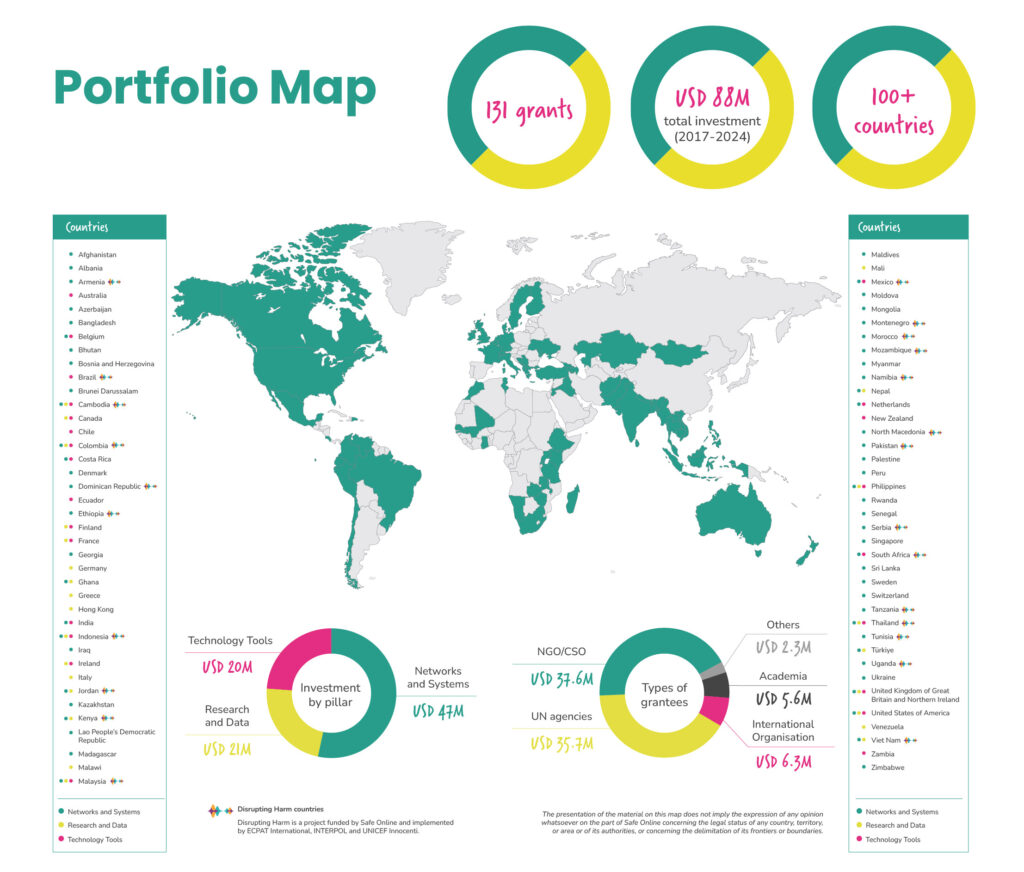
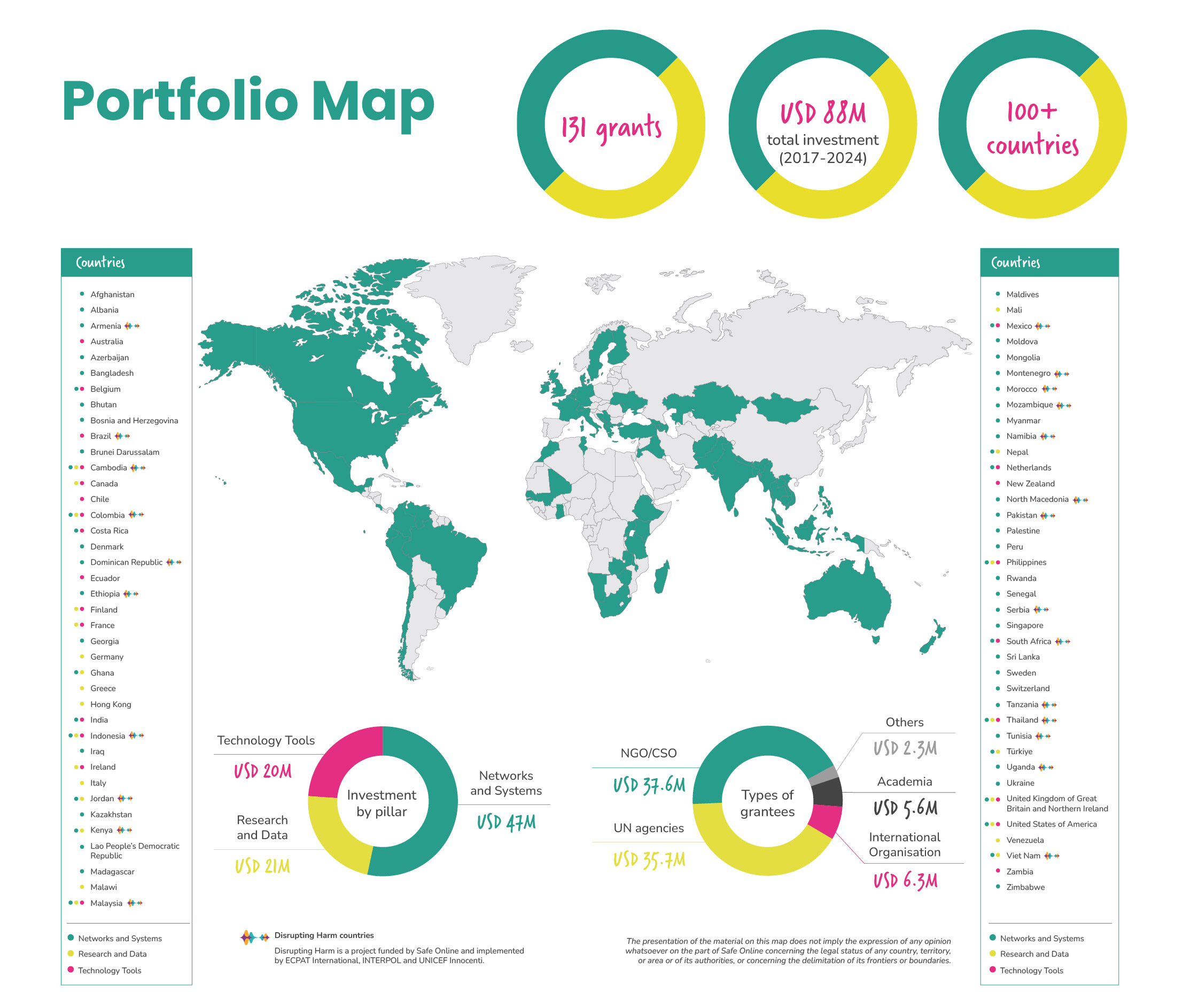
Safe Online is the only global fund focused on child safety and wellbeing in the digital world. It has invested over $100 million ($25 million in Africa) with tangible impact across over 100 countries. But this is not enough, the scale and complexity of digital harms affecting children have far outpaced the resources available leaving millions of children exposed, unsupported, unheard.

Safe Online has consistently called for systemic approaches that bring together governments, industry, civil society, survivors and young people. Its investments in cutting-edge research and tools help countries understand the scale of technology facilitated child sexual exploitation and abuse and implement evidence-based responses. For example, findings from the $15 million flagship project Disrupting Harm are directly influencing national plans across eight countries in Eastern and Southern Africa. 

The urgency could not be clearer: every day, an estimated 300 million children are victims of sexual exploitation and abuse (Childlight). In 2024, reports involving AI-generated child sexual abuse material rose by 1,325% (NCMEC), while online grooming and financial sexual extortion increased significantly, with teenage boys now making up 78% of victims (WPGA). Despite this, most children do not report these harms; research from the Disrupting Harm project shows that across 13 countries in Eastern and Southern Africa, only 3% of victims contacted a helpline. This gap highlights the need for stronger, more accessible, and tech-enabled prevention and support systems. One such example is Aselo, supported by Safe Online, which helps child helplines deliver faster, more effective assistance through digital tools.

For industry players like MTN, this translates into embedding safety at the heart of connectivity. Initiatives such as Room of Safety, developed with MTN Base, have shown how youth-led storytelling can spark critical conversations about online risks. But awareness must be coupled with safety by design—integrating protections into networks, products, and services from the outset.

To make Africa’s digital future truly safe for children, we see five immediate priorities:

  • Strengthen evidence and data. Expand investment in research and measurement, so policymakers and companies understand the scale, nature, and evolving risks children face online and the interventions that are most effective.
  • Scale cross-sector, prevention-driven partnerships. Telecom operators, platforms, and ISPs must partner more systematically with organisations like Safe Online to drive the system-wide transformation needed, including embeding harm-prevention tools and digital education and skills for children and parents.
  • Embed safety in national digital agendas. As governments roll out broadband and digital infrastructure strategies, they must integrate well-resourced child online safety frameworks, ensuring inclusion and protection advance together.
  • Elevate children’s voices. Digital strategies should not be about children without children. Through Safe Online’s portfolio and other platforms, youth perspectives must directly shape policy and product design.
  • Increase and align investments. Scale financial resources – including innovative funding models – to equalize human and technological capacity globally and drive system-wide transformation.

Moreover, as GSMA projects half a billion African children online by 2030, the region’s ability to embed safety now will define the trajectory of an entire generation. Failure to invest now will endanger individual children and undermine collective socio-economic progress.

Safe Online’s message is clear: We are at a strategic inflection point to scale investments towards proven interventions and build safety nets that are as borderless and dynamic as the digital world itself.

For MTN, this means deepening partnerships with expert organisations like Safe Online to ensure that connectivity comes with safety.

For policymakers, it means aligning well-resourced national systems with global legislative frameworks and best practices.

For the tech industry, it means allocating adequate resources and fully adopting ‘safety by design’ principles across products’ development and business processes to prevent harm from occurring in the first place.

For donors, philanthropy and financial institutions, it means prioritising child online safety to close the current funding gap.

And for all of us, it means recognising that a safe digital world is not just about avoiding harm, it is about enabling every child to thrive, learn, and explore without fear.

Africa has the chance not only to bridge the digital divide but also to set a global standard for safe digital inclusion. By placing prevention at the centre and scaling cross-sector partnerships, we can build an internet where children are not just connected, but truly safe.

The opportunity is before us: to create a digital continent where being online means being protected, and where safe online futures are the foundation of Africa’s progress.

See more stories from our family of grantees

End violence hosts its 10th global knowledge exchange webinar

On 17 June, End Violence held its 10th Global Knowledge Exchange Webinar, which gathered 117 individuals from partner and grantee organisations around the world. This webinar, the third event held in 2020, focused on integrated, child-centred frameworks for investigation, rehabilitation and recovery for survivors of online child sexual exploitation and abuse.

Read More »

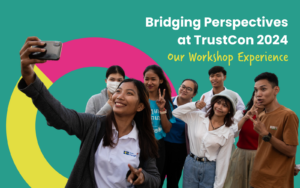
Bridging Perspectives at TrustCon 2024: Our Workshop Experience

TrustCon 2024, one of the leading events in the Trust & Safety community attended by over 1300 participants, provided an amazing platform for engagement and collaboration among professionals from various sectors. Our workshop was a blend of fireside chat, lightning talks, and breakout sessions for Q&A with researchers, ending with an energetic brainstorming session.

Read More »

Winners of the 2024 Safe Online funding call

Safe Online awards $6.7 million to 20 new grantees to advance innovative and high-impact solutions to fight online child sexual exploitation and abuse (CSEA).

In response to the escalating risks children face in the digital world, Safe Online launched a global call for proposals in 2024 to identify and support the most promising solutions.  

Following a rigorous selection process from a pool of over 300 applications, 20 grantees have been selected to receive a combined USD 6.7 million in funding USD 1.7 million more than originally allocated. This significant increase reflects the urgent, growing need to strengthen global efforts to protect children from digital harms. These new projects, from across the world, are designed to deliver maximum impact where it’s needed most

Additionally, recognizing the overwhelming demand and immense needs in the ecosystem, Safe Online is increasing our initial investment of 6.7 million by an additional 8.5 million bringing the total investments for the period 2024-2026 to USD 15 million. This expanded funding will enable us to support more high-impact initiatives and scale up global efforts to create a safe digital future for children

grantees selected
0

The 20 initiatives announced today represent the first cohort selected through the 2024 Open Call. More projects will be launched in the second half of 2025 and early 2026 through a targeted, invitation-only process, designed to address emerging needs and fill critical strategic gaps. 

Our 20 new grantees were selected for their strong focus on innovation and potential for high impact. Each project demonstrates the ability to create new pathways for change and push the boundaries beyond what currently exists. In addition, the selection process prioritized proposals with clear potential for scalability and long-term sustainability, as well as those offering solutions that are interoperable and applicable across different systems and use cases. 

Grantees include international organisations, child protection NGOs and CSOs, research, and academic institutions and tech start-ups and include a range of path-breaking projects. 

New projects under the ‘Networks and Systems’ pillar will build the foundations of the ecosystem by formalizing mental health care models for frontline professionals working on online CSEA, transforming the response to Child Sexual Abuse Material (CSAM) by testing a new model for survivors’ support, pioneering early intervention strategies to prevent CSAM by targeting individuals at risk of offending and addressing critical gaps in digital regulation enforcement by developing a fair and sustainable redress standard through the child-inclusive, collaborative COR Sandbox.   

Projects under the ‘Research and Data’ pillar will generate new evidence and data through  child-centric, participatory action research to understand children’s vulnerability to online risks, especially related to non-consensual sharing of private images; online coercion and AI and understand emerging forms of image-based sexual violence against children by exploring experiences of survivors, their parents or caregivers, law enforcement officers, and professionals working with children.

Projects under the ‘Tech Tools’ pillar will design, test, and develop technology solutions that contribute to the broader ecosystem and promote tools that are shareable, adaptable, and enhance efficiency in online CSEA prevention and response efforts. These projects include prototype tools for generating semantic hashes to help law enforcement and trust and safety teams more accurately identify new CSAM; systems to disrupt payments made by offshore offenders to facilitators ; and an automated AI evaluation platform, specialized in assessing CSEA risks, designed to help organizations evaluate the trust and safety risks of their AI models. 

This latest investment grows Safe Online’s investment portfolio to USD 100 million with impact in over 100 countries and accelerates Safe Online’s globally important role as a catalyst for innovative and scalable solutions to combat digital harms.   

See more of our recent updates

ChildSafeNet

Our grantees ChildSafeNet Enhancing Parental Roles in Protecting Children from Online Sexual Exploitation and Abuse Countries involved:Nepal Online child sexual abuse and exploitation can affect almost all households globally – and parents and caregivers, who can be influential in most, if not all, settings of children’s lives, play an important

Read More »

Huddersfield University

Our grantees Huddersfield University None in Three Emilio Countries involved:Brasil None in Three through the University of Huddersfield will develop an immersive, prosocial computer game, Emilio, to prevent online CSEA. Based on empirical research and evaluated through clinical trials, Emilio will target young males who are at risk of perpetrating online abuse. Participants will

Read More »

Narrative-driven case studies

Exciting Opportunity!

Safe Online is looking for an agency to conduct in-depth, narrative-driven case studies in the Global South that highlight best practices, enablers, and lessons learned in achieving systemic responses to online CSEA!

This work is part of Safe Online’s broader evidence and learning agenda, aimed at generating actionable, context-rich insights to inform programming, policy, advocacy, and investment in this space. 

Objective

The key objectives of this work include:

  1. Exploring how national-level systemic responses to online CSEA have emerged, adapted, and scaled;
  2. Identifying enablers, challenges, and change pathways;
  3. Highlighting multi-sector collaboration and survivor- and child-centred strategies.
  4. Contribute to cross-country learning and global knowledge generation.

This is not a standardised case study process. We are looking for a learning-focused, participatory approach that goes beyond documentation and instead supports reflective insight generation. The case studies will be complemented by communication products tailored to a range of audiences—donors, policymakers, practitioners, and advocates—including briefs, visual storytelling formats, and presentations for high-level dissemination.

Key steps

1. Terms of Reference

Read the full Terms of Reference here

2. Register as a supplier

Register as a supplier on the United Nations Global Market

3. Please log-in

Once the registration is complete, please log-in via this link with your e-mail address and password

4. Procurement Opportunities

Select the tab ‘Procurement Opportunities’, and search for this Tender with this reference: RFPS-NYH-2025-503831

5. Express Interest

Select ‘Express Interest’ to access the key documents to submit a proposal.

6. Join the Pre-bid Conference

Join the Pre-bid Conference on 20 May 2025. You will have access to the link to join after you have completed steps 2-5.

7. Ask questions

Ask questions via the ‘correspondence tab’ no later than 22 May 2025.

8. E-submission instructions

Refer to the e-submission instructions for more information on how to upload your proposal.

Key tips

1. Signature Required

Make sure the technical proposal is signed if not it will be automatically discarded

2. No Financial Info

Make sure to not include information on financials in the technical proposal. If not, it will be disqualified.

3. Follow Evaluation Criteria

Refer to the evaluation criteria and include key experts’ CVs.

Key dates

Deadline to submit applications: 4 July 2025, 15:00 Central European Time (CET)

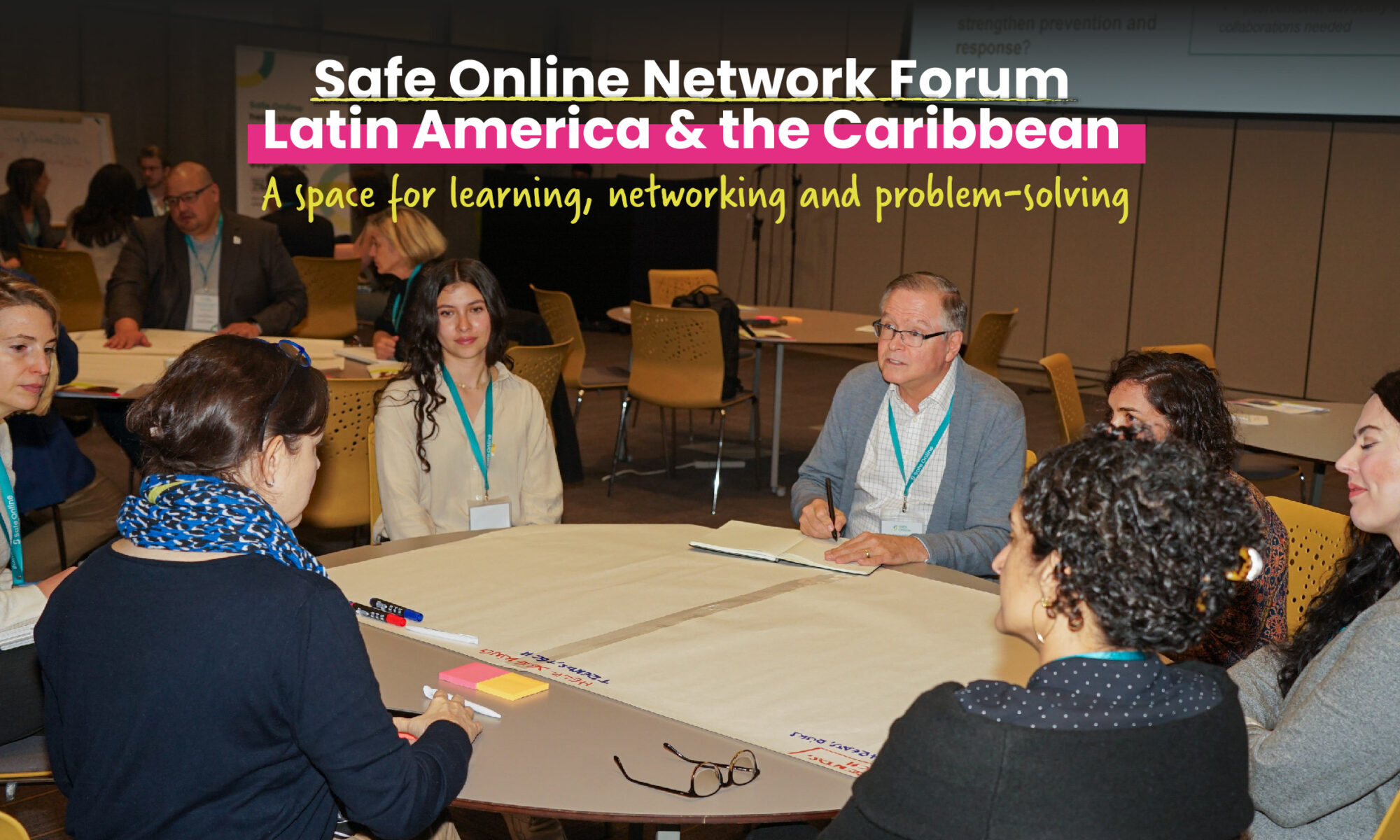
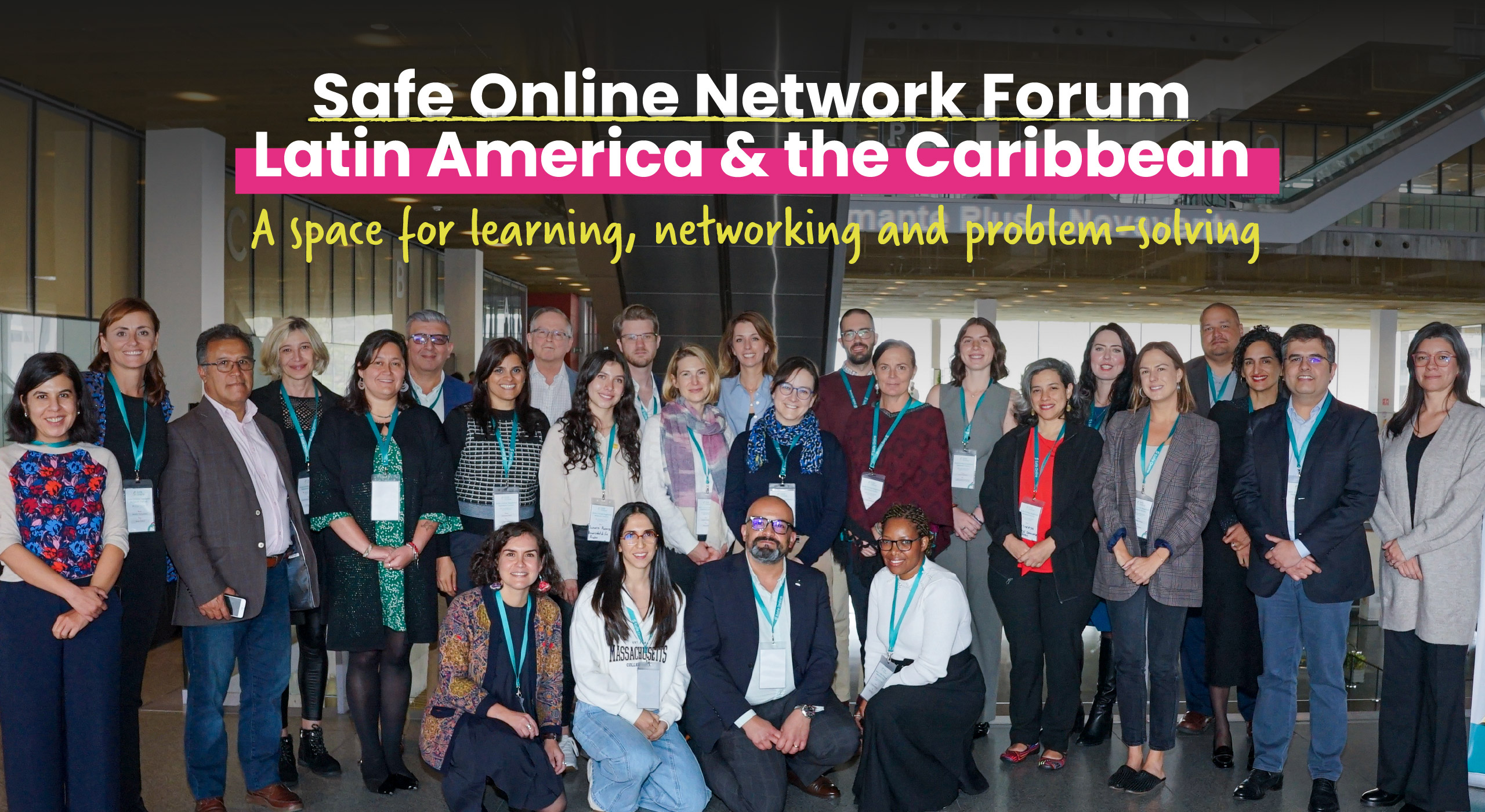
Safe Online Network Forum Latin America & the Caribbean

Tuesday 5 November 2024, Bogota, Colombia
Building bridges to tackle online Child Sexual Abuse and Exploitation 

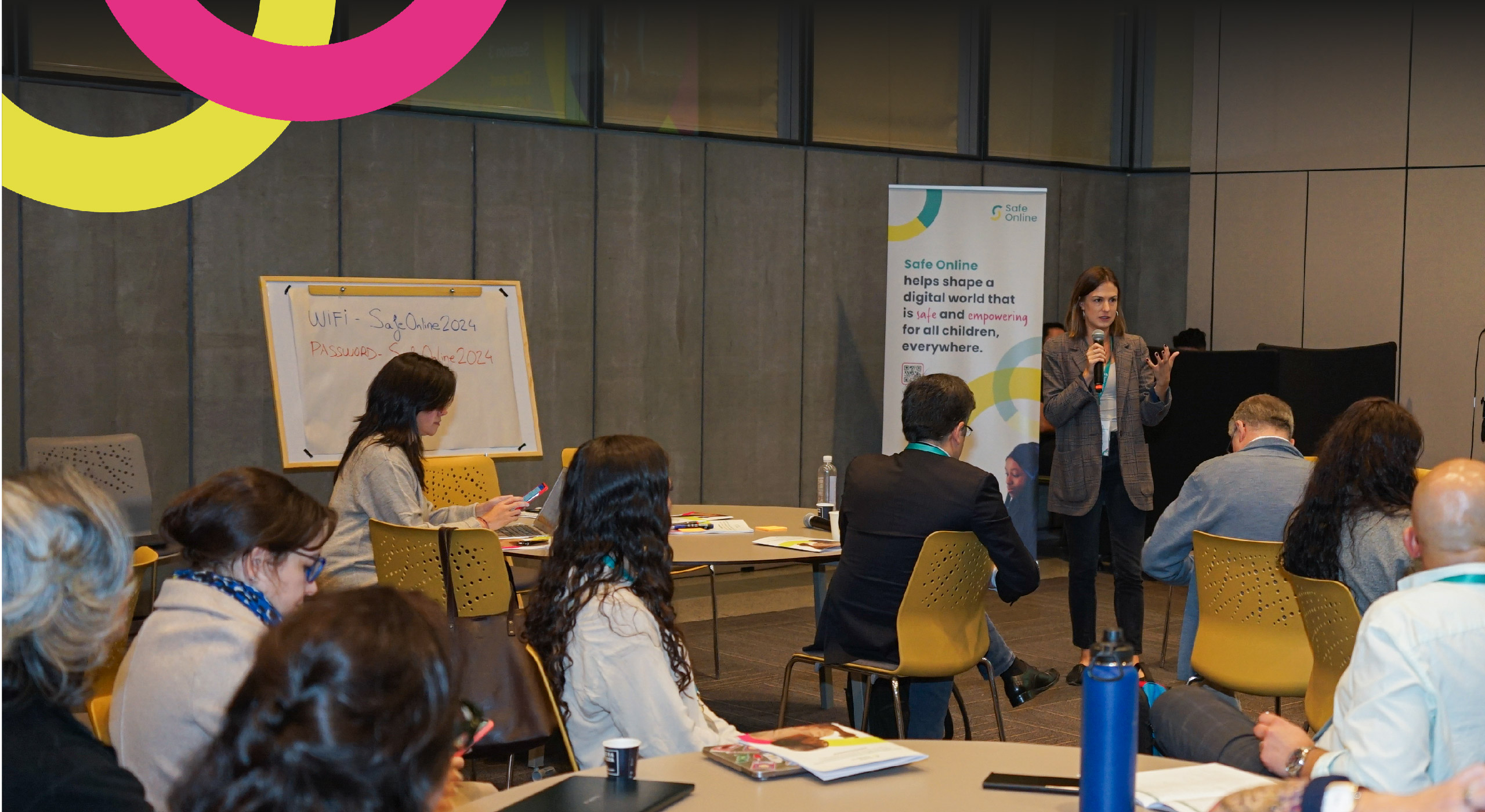
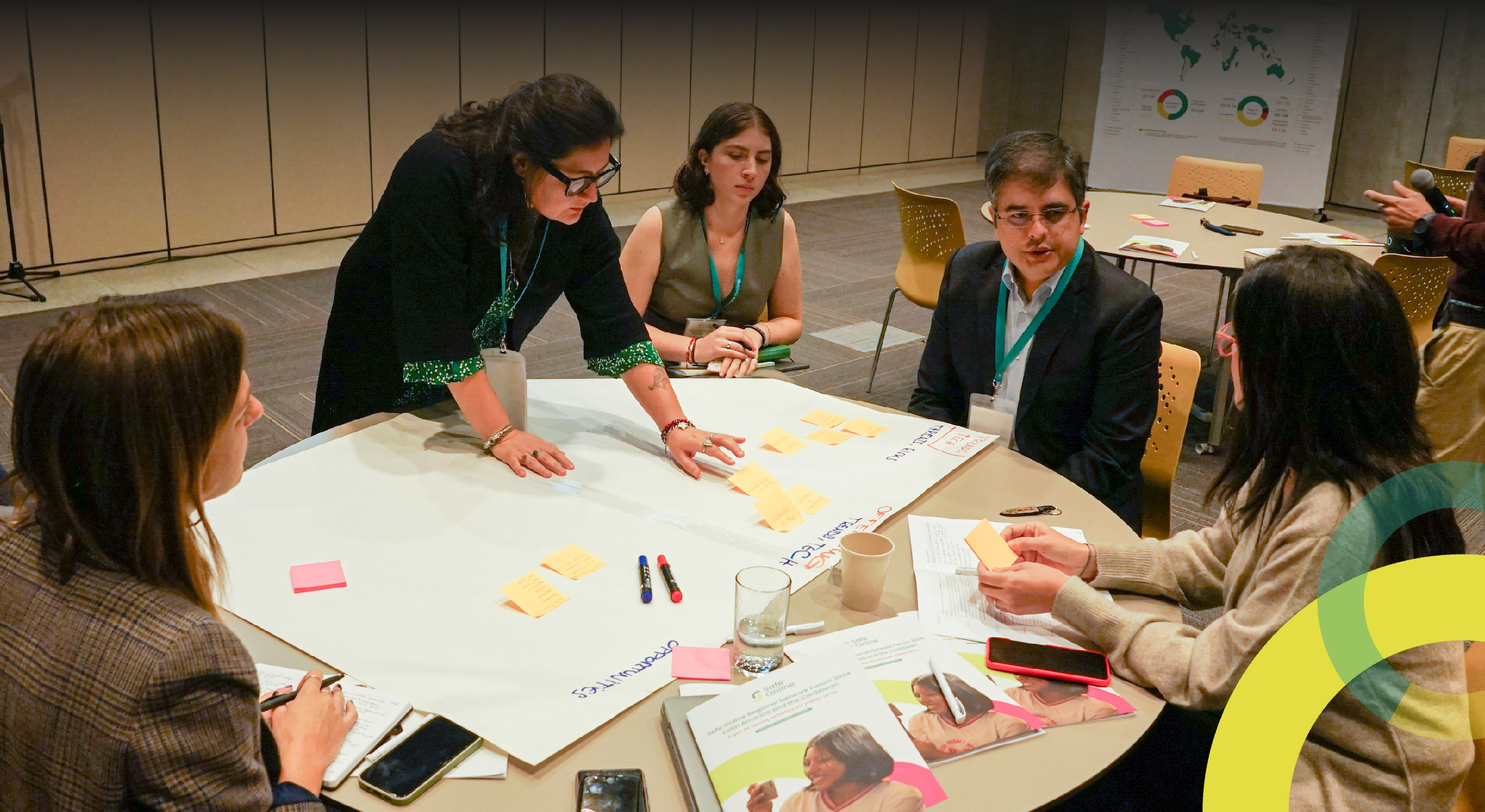
Safe Online grantees and implementing partners working across the Latin America and Caribbean region connected for reflection and learning on November 5, 2024, as part of the Safe Online Regional Network Forum. The Forum brought together 20 experts representing  20 grantees and partners working in the region and beyond with a particular focus in nine countries (Brazil, Chile, Colombia, Costa Rica, Dominican Republic, Ecuador, Jamaica, Mexico and Peru) representing seven NGOs, six International NGOs, two UNICEF Country Offices, two academia, one private company as well as four global and regional organizations. The Forum helped to facilitate knowledge exchange, promote networks and foster partnerships. It provided a platform for sharing experiences and lessons learned in combatting online child sexual exploitation and abuse (CSEA) both within the region and globally and in the context of other forms of violence against children.

Safe Online’s Investments in Latin America and Caribbean region: 

Safe Online has invested

million since 2017 with grants in more than 100 countries.
0

Most funds, $45 million, are allocated to support systems strengthening. In addition to this, nearly $22 million goes into evidence generation, with another roughly $21 million into tech solutions. There has already been more than 15 million in grants made to projects in the LAC region across the three pillars. 

Trends and threats: the evolving nature of online CSEA

The digital world is rapidly transforming, bringing both new threats and opportunities in the fight against online CSEA. Discussions focused on how financial incentives, offenders’ profiles, and peer-to-peer abuse are shaping the landscape. Generative AI (GenAI) emerged as a significant topic, described as a double-edged sword. While offenders exploit its capabilities, GenAI also holds potential for preventive strategies, such as targeted interventions for offenders. Concerns were raised about gaming platforms becoming hotspots for exploitation, where predators act as peers to connect with children. The overlap between online and other forms of harm is becoming increasingly apparent, with virtual interactions often escalating into real-world exploitation. It was noted that much of the focus remains U.S.-centric, leaving significant gaps in addressing regional needs and global variations in threats and vulnerabilities. Furthermore, children worldwide often lack the digital literacy to identify risks, and parents and caregivers frequently lack the awareness and tools to guide safe internet use.   

The power of data and technology

The session highlighted how data plays a crucial role in tackling online CSEA. Victim-centric methodologies and innovative practices are shaping how data is collected and utilized, but significant challenges remain. The predominance of English-centric approaches limits access and insights in regions like LATAM, where other languages are prevalent. Overcoming these barriers is essential to unlocking the full potential of data ecosystems, ensuring equitable access to resources and valuable insights worldwide.

Shaping narratives for advocacy and action

The narratives surrounding online CSEA significantly influence perceptions, advocacy, programming, and financing priorities, and therefore require greater attention and alignment with robust data-driven insights and evidence. The diversity of approaches among grantees – ranging from advocacy to direct action, activism and awareness-raisingbrings valuable richness to the field. Even greater potential lies in fostering collaboration among grantees and key actors to achieve shared advocacy goals. Crucially, effective advocacy relies on data and knowledge generated by multiple actors underscoring the importance of interconnected efforts in driving impactful change. 

Unlocking evidence generation for progress

Experts highlighted the importance of data for resource mobilization but also to demonstrate what works to tackle online CSEA across levels. Grantees highlighted ways in which they work with data in their respective organisations – from case management, survivors’ data to understanding broader trends. The lack of legal guidelines and limited data sharing by industry were identified as significant challenges. Participants called for a supra-entity to set standards and aggregate data, paving the way for more strategic use of evidence in tackling online CSEA. Participants flagged the need for overcoming challenges in evidence generation, in order to use evidence strategically to refine programmatic approaches and advocate for policy changes and financial commitments.  

The Latin America context: specific challenges related to online CSEA

Digital platforms are enabling rapid and powerful connections between societies with vastly different approaches to child protection and violence prevention, leaving indigenous and native communities especially vulnerable. Parents and caregivers in the region are often unaware of the specific risks posed by digital platforms, further exacerbating vulnerabilities. Digital threats in the region mirror global trends, with in-person connections frequently originating from online interactions. However, regional safety standards often fall short of global benchmarks. For instance, some countries in the region have classifications of online CSEA that fail to live up to international child protection standards, while others face inconsistent application of safety measures compared to other regions with stricter frameworks. The rise of GenAI in the region is providing new avenues for offending, as the lack of robust enforcement mechanisms undermines deterrence. A universal challenge in addressing online CSEA is the stigma associated with reporting and seeking help. While this issue spans cultures and regions, it requires tailored solutions sensitive to local contexts. However, the region also presents opportunities for innovative, localized solutions such as cross-boarders coordination, behavior change programs and peer education initiatives. 

The region diverse stakeholders – including governments, service providers, tech companies, parents, and children – can work together to create comprehensive prevention and response systems. Building capacities across these groups can help address gaps in digital literacy, improve awareness of risks, and encourage the adoption of robust safety measures. Peer education programs, which leverage the trust children place in their peers, show promise. However, these initiatives must rely on evidence and ensure accuracy and reliability to mitigate unintended risks. Engaging the tech industry to develop tools and frameworks that address local vulnerabilities while aligning with global safety standards is another critical step forward in creating safer digital environments for children in the Latin America and the Caribbean  region.  

Participants also discussed help-seeking requirements particularly focusing on staff wellbeing support for personnel working on online CSEA, with different exposure levels requiring tailored approaches. Barriers include limited resources for advanced tech tools like ReflexAI, perceptions of unequal support within organizations, and variability in cultural norms and organizational attitudes toward help-seeking. Opportunities lie in compartmentalization strategies (for example, Artemis of Los Andes and Aulas la Paz whereby engineers have little to no exposure to online CSEA); minimizing staff exposure to harmful content (e.g., blurred images for CSAM analysis), and leveraging AI tools to streamline workloads, improve training, and detect when staff may need support. Examples like the Trevor Project’s AI training tool and Tech Matters’ caller profiles demonstrate how innovation can enhance staff wellbeing while increasing efficiency. There is also a growing normalization of duty of care practices, signaling progress toward more supportive organizational cultures. 

Networks and collaborations

The Forum brought together practitioners and experts, fostering a spirit of community and shared purpose. Participants learned about each other’s work, identified synergies, and explored how they can jointly address online CSEA. This session highlighted the importance of aligning efforts and learning from each other, with participants leaving with new connections, ideas for cross-country collaborations, and a shared commitment to deepen joint engagement. It was a step towards strengthening the Safe Online community committed to tackle this pressing challenge.  

Overall, by fostering networks, sharing insights, and identifying actionable opportunities, participants took meaningful steps toward building safer digital spaces for children. The discussions underscored the importance of collaboration, innovation, and evidence-based approaches in turning shared challenges into impactful solutions. 
See more stories from our family of grantees

Recap – Safe digital futures for children: Data for change

In October 2024, the Data for Change community gathered in London for a two-day technical workshop, bringing together over 40 experts from government, tech companies, civil society, and academia. The event focused on strengthening the global data ecosystem for online Child Sexual Exploitation and Abuse (CSEA) and fostering collaborative solutions to improve the use of data to protect children online.

Read More »
Stay in the loop.

Our purpose in detail

We are here to ensure every child and young person grows in to the digital world feeling safe, and is protected from harm.

We support, champion, and invest in innovative partners from the public, private, and third sectors working towards the same objective.

We believe in equipping guardians and young people with the skills to understand and see danger themselves once accessing digital experiences without supervision.

We'd love to have a chat

We're thrilled you're interested in donating to Safe Online - pop in the details below and we will get back to you to set up a discussion.