Here you will find part of our new Meet the Data Champions series, where we spotlight practical, high-impact work from members of the Data for Change community.
Meet the Data Champions
Here you will find part of our new Meet the Data Champions series, where we spotlight practical, high-impact work from members of the Data for Change community.
Meet the Data Champions
Here you will find part of our new Meet the Data Champions series, where we spotlight practical, high-impact work from members of the Data for Change community.
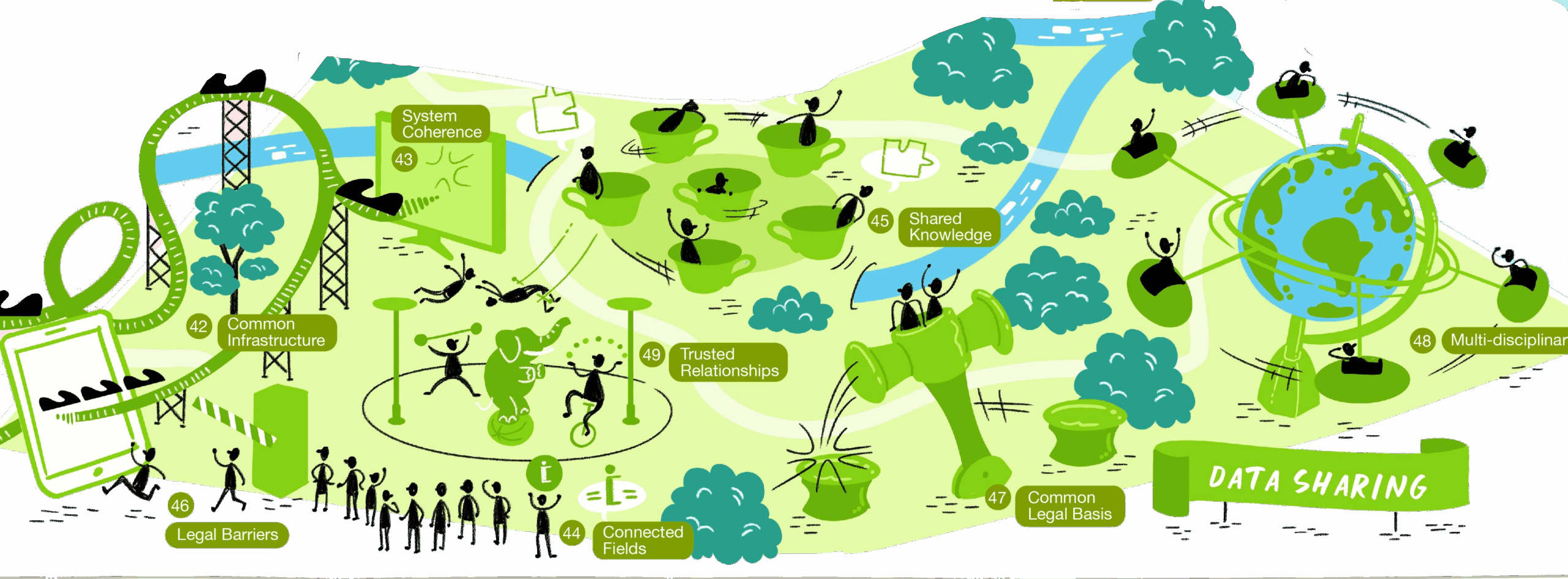
This edition of the Meet the Data Champions series continues to spotlight high-impact work from members of the Data for Change community, this time shifting our focus to the critical and often complex issue of datasharing.
Efforts to address online child sexual exploitation and abuse (CSEA) increasingly require us to see data not only as an institutional asset, but also as a resource with potential public value: one that can support collective protection efforts when shared responsibly.
Effective data sharing requires intentional governance, technological interoperability, and clear articulation of purpose, always centered on the ultimate beneficiaries: children. Below, we highlight key messages and specific insights from three community presentations during our recent community call, illustrating how different actors are navigating the real-world challenges and opportunities of sharing data to protect children online.
Building Shared Language and Collective Responsibility
Harmonization
Shared Language
Collective action
Child-Led Data
As the presentations highlighted, more effective data sharing strengthens the CSEA response by moving from isolated efforts toward greater coherence and coordination. The work of these Data Champions shows that unlocking the value of data isn’t about giving up protection, but about enabling its responsible use through stronger accountability, interoperable systems, and a shared language that supports collective action across sectors and borders.
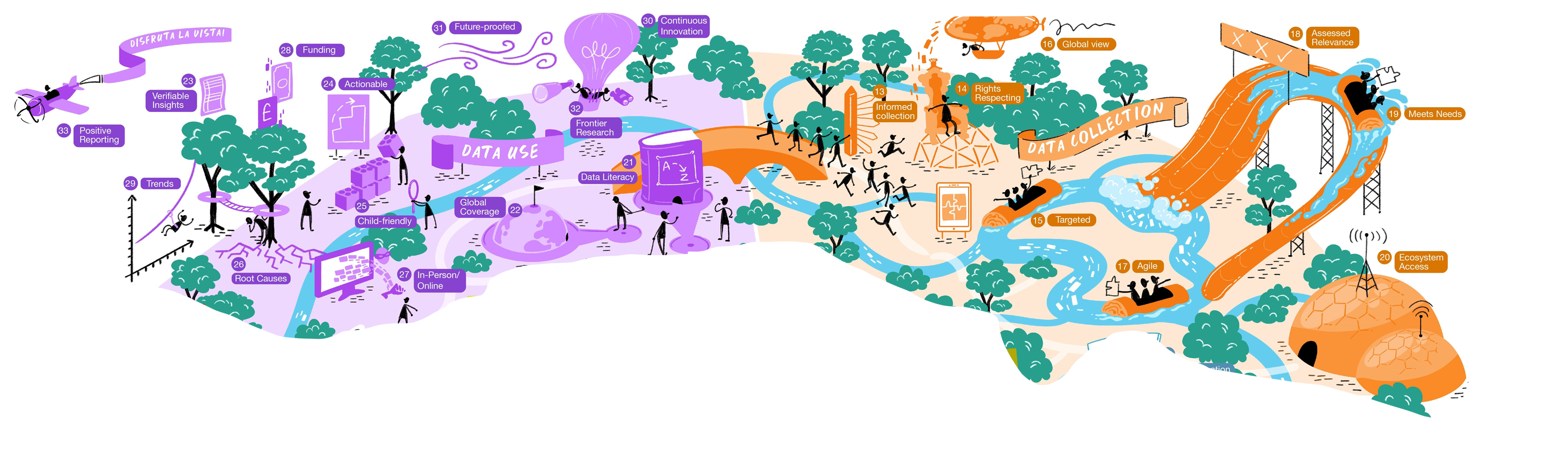
Collection & Use
Data is only as powerful as the decisions it informs. Yet often, there’s a disconnect between what data is collected and how (or whether) it is used. Responsible data practice when it comes to capturing children’s experiences in particular is not just about gathering more information, and rather about collecting data in ways that reflect the rights, needs and realities of children, and ensuring it is used meaningfully to generate value and change.
This edition focuses on two interlinked stages of the data lifecycle: collection and use. These examples demonstrate that thoughtful design, careful trade-offs, and inclusive evaluation are at the heart of effective data work.
Evaluating AI Tools with Ethics, Fairness, and Purpose in Mind
Data use
Evaluation
AI tools
These examples remind us that better data doesn’t start with more—it starts with intentionality, equity, and use. From inclusive methodologies to more rigorous validation and evaluation, our community is showing what’s possible when we treat data as a tool for collective good.
We are here to ensure every child and young person grows in to the digital world feeling safe, and is protected from harm.
We support, champion, and invest in innovative partners from the public, private, and third sectors working towards the same objective.
We believe in equipping guardians and young people with the skills to understand and see danger themselves once accessing digital experiences without supervision.
We'd love to have a chat
We're thrilled you're interested in donating to Safe Online - pop in the details below and we will get back to you to set up a discussion.